
现现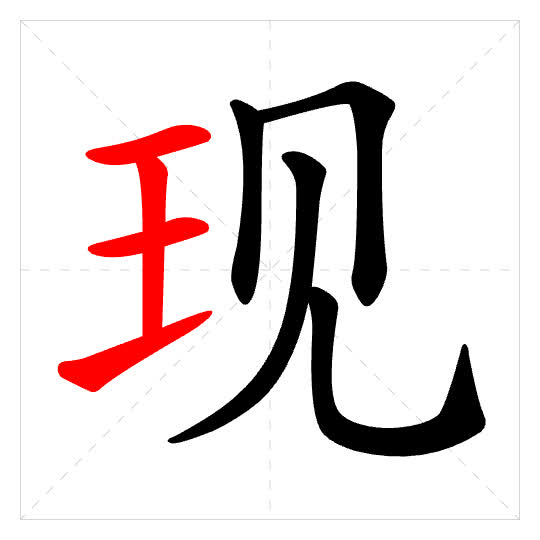
Basic Meaning
v
often used in contexts where something becomes visible or evident, such as in 显现 or 表现
to appear; to show; to manifest
表露在外面,使人可以看见。
Words:
显现表现现象现原形昙花一现
Antonyms:
Sentences:
- 他的努力在考试中显现出来了。His efforts manifested in the exam.
- 这个现象很常见。This phenomenon is very common.
n
commonly used in compound words to refer to the present time or current state, e.g., 现代 (modern) or 现状 (current situation)
now; present; current
现在,目前。
Words:
Sentences:
- 我们现在的生活很方便。Our current life is very convenient.
- 现代科技发展很快。Modern technology develops very quickly.
adj
describes something that is physically available or immediately accessible, often in commercial contexts like 现货 (ready stock)
existing; ready; on-hand
实有的,当时就有的。
Words:
现炒现卖现货现款现存现钱
Sentences:
- 这家店有现货供应。This store has ready stock available.
n
specifically refers to money in physical form or immediate payment, as in 付现 (pay in cash)
cash
指现金。
Words:
兑现付现贴现现币现钞
Sentences:
- 我需要现金来付账单。I need cash to pay the bill.
- 他们只接受付现。They only accept payment in cash.
adv
indicates an action done spontaneously or without prior preparation, e.g., 现做 (made on the spot)
on the spot; immediately; ad hoc
当时;即时;临时。
Words:
现编现买现卖现做现学现炒
Sentences:
- 他现编了一个故事。He made up a story on the spot.
- 我们现学现用这个新词。We learn and use this new word immediately.
Writing & Component
Radical见
Structureleft_right
Stroke Count8
Strokes一一丨㇀丨𠃍丿乚