
老老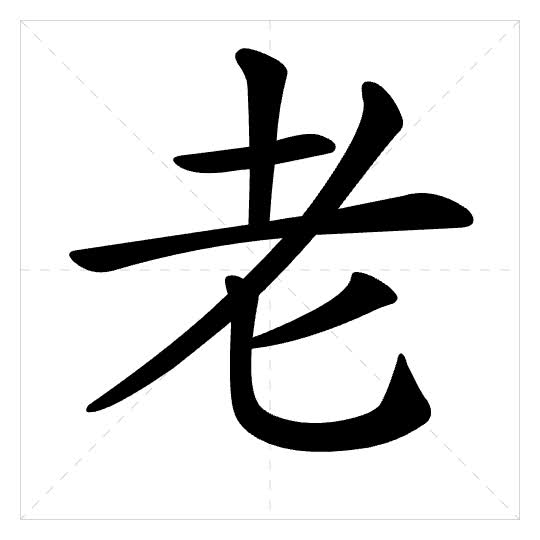
Basic Meaning
adj
Used for people, animals, or sometimes things to indicate advanced age.
old (in age; opposite of 'young')
年岁大(跟“少、幼”相对)。
Synonyms:
长耆
Sentences:
- 我的爷爷是一位慈祥的老人My grandfather is a kind old man.
- 这只老狗很听话This old dog is very obedient.
n
Often used in formal or respectful contexts, e.g., 王老 (Wang Lao) for an esteemed elder.
the elderly; old person (often used as a respectful term)
老年人(多用作尊称)。
Words:
敬老院尊老爱幼扶老携幼王老徐老
Sentences:
- 我们应该尊老爱幼We should respect the elderly and love the young.
- 王老是我们公司的顾问Elder Wang is our company's consultant.
adj
Describes a person with extensive experience in a certain field.
experienced; seasoned; skilled
经验丰富;老练。
Words:
老练老手老谋深算老于世故老辣
Antonyms:
Sentences:
- 他是一位经验丰富的老手He is an experienced old hand.
- 在处理危机时,她显得非常老练She appears very seasoned when dealing with a crisis.
adj
Refers to things that have existed for a long time, e.g., organizations, relationships.
long-standing; old (in existence; opposite of 'new')
很久以前就存在的;时间久的(跟“新”相对)。
Words:
Sentences:
- 他是我的老朋友,我们认识二十年了He is my old friend; we've known each other for twenty years.
- 这家工厂是一家老厂,有百年历史This factory is an old factory with a hundred years of history.
adj
Often has a slightly negative connotation, implying something is no longer modern or efficient.
outdated; old-fashioned; obsolete
陈旧;过时(跟“新”相对)。
Words:
老式老机器老规矩老旧老套
Antonyms:
Sentences:
- 这台老机器经常出问题This old machine often has problems.
- 我不喜欢那种老式的设计I don't like that old-fashioned design.
adj
Refers to something that remains unchanged from the past.
original; former
原来的。
Words:
老样子老本行老地方老脾气老家
Synonyms:
Sentences:
- 我们明天老地方见Let's meet at the usual place tomorrow.
- 他又干回老本行了He has gone back to his original profession.
adj
Specifically describes vegetables that have grown too tough or fibrous to be tender.
overgrown; past its prime (for vegetables)
(蔬菜)长得过了适口的时期。
Words:
老茄子老玉米
Antonyms:
嫩鲜
Sentences:
- 这个菠菜太老了,不好吃This spinach is too old (overgrown) and doesn't taste good.
- 老玉米比较有嚼劲Old corn (field corn) is chewier.
adj
Used to describe food that has been cooked for too long, becoming tough or dry.
overcooked; cooked too long
(食物)烹调时间过长;火候过大。
Antonyms:
嫩
Sentences:
- 鸡蛋煮老了,蛋黄都干了The eggs are overcooked; the yolks have dried out.
- 牛肉炖得太老,咬不动The beef stewed too long; it's tough and hard to chew.
adv
An intensifier, often used colloquially before adjectives like 早 (zao3) or 长 (chang2).
very; extremely
很;极。
Words:
老早老长
Sentences:
- 他老早就到了He arrived very early.
- 这条路老长的This road is extremely long.
adv
Often used to express a habitual or frequent action, sometimes with a tone of complaint.
always; constantly
总是;经常。
Antonyms:
偶
Sentences:
- 他老忘记带钥匙He always forgets to bring his keys.
- 别老玩手机,对眼睛不好Don't always play on your phone; it's bad for your eyes.
v
A technical term, often seen in compounds like 老化.
to age; to deteriorate (for polymers)
变质(指某些高分子化合物)。
Words:
老化防老剂
Sentences:
- 橡胶时间长了会老化Rubber will age over time.
v
Used idiomatically to mean 'to have the cheek to do something', often in 老着脸皮.
to thicken (one's skin); to become brazen
使(脸皮)厚。
Words:
老着脸皮老面皮
Sentences:
- 他老着脸皮又来借钱He had the cheek to come borrow money again.
adj
Describes a state of physical or mental decline due to old age, more formal/literary.
senile; decrepit
衰老。
Words:
老朽老迈衰老
Synonyms:
衰
Sentences:
- 他年事已高,身体有些老迈He is advanced in years and somewhat frail.
- 思想不能变得老朽One's thinking should not become senile.
adv
Used adverbially to emphasize duration, similar to sense 11 but focusing on time length.
for a long time
长时间。
Words:
老长老早
Synonyms:
Sentences:
- 我等了老半天,他也没来I waited for a very long time, and he still didn't come.
- 这个问题我们老早就讨论过了We discussed this issue a long time ago.
Writing & Component
Radical耂
Structuretop_bottom
Stroke Count6
Strokes一丨一丿丿乚