
亡亡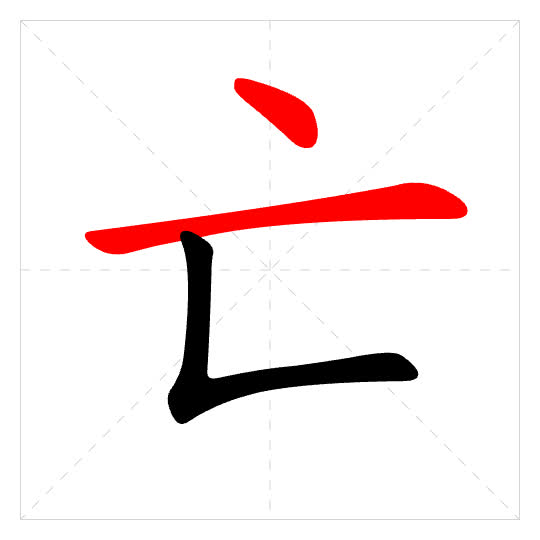
Basic Meaning
n
Often appears in formal or historical contexts with words like 流亡, 逃亡. The character 亡 itself is less common in modern, everyday speech compared to 跑 or 逃.
to flee; to escape; to be in exile
逃跑;出逃。
Words:
流亡逃亡亡命之徒出亡追亡逐北
Synonyms:
Sentences:
- 那位作家因政治迫害而流亡海外That writer fled overseas due to political persecution.
- 在古代,战败的士兵常常被迫逃亡In ancient times, defeated soldiers were often forced to flee.
v
This sense is primarily used in classical literary contexts or in fixed idioms (成语). It is not the typical word for 'losing something' in modern conversation, where 丢 or 失去 is used.
to lose
失去;丢失。
Words:
亡羊补牢亡失唇亡齿寒歧路亡羊名存实亡
Antonyms:
Sentences:
- 如果我们现在发现问题,还来得及亡羊补牢If we discover the problem now, it's still not too late to mend the fold after the sheep is lost.
v
A classical and formal word for 'to die'. In modern spoken Chinese, it is often used in compounds or formal expressions. The standalone word for 'to die' is 死.
to die; death
死。
Words:
亡故死亡身亡伤亡阵亡家破人亡
Synonyms:
Sentences:
- 听到他亡故的消息,大家都非常悲伤Everyone was very saddened to hear the news of his passing.
- 这场事故造成了严重的伤亡This accident caused serious casualties.
n
Primarily used in contexts related to the fall of a state or dynasty (亡国), or in abstract concepts of 'perishing' versus 'flourishing' (兴亡).
to perish; to fall (of a state/nation); ruin
灭,与兴的意思相反。
Words:
亡国灭亡亡国奴救亡兴亡
Synonyms:
灭
Antonyms:
Sentences:
- 历史书上记载了许多兴亡更替的故事History books record many stories of the rise and fall of dynasties.
- 民族的救亡运动激发了人民的爱国热情The national salvation movement ignited the people's patriotic fervor.
adj
An adjective used as a respectful prefix before family or social relationship terms to indicate the person is deceased (e.g., 亡友 'deceased friend'). It is a formal and literary usage.
deceased
死去的。
Words:
亡友亡妻亡弟亡兄
Antonyms:
Sentences:
- 他常常怀念自己的亡友He often misses his deceased friend.
- 他在信中表达了对亡妻的深深思念In the letter, he expressed his deep longing for his deceased wife.
Writing & Component
Radical亠
Structuresingle
Stroke Count3
Strokes丶一㇄