
主主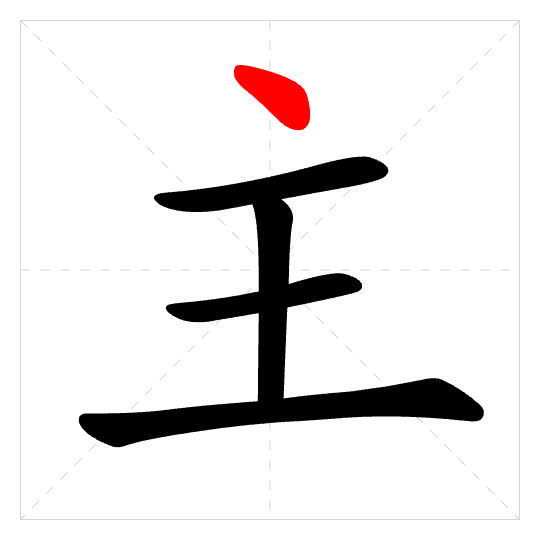
Basic Meaning
n
often used in compounds like 财主 (rich person) or phrases like 物归原主 (return something to its owner)
owner; person who owns property or has power
拥有财物或权力的人。
Words:
财主物归原主当家做主车主原主
Sentences:
- 他是一位大财主,拥有很多土地He is a rich person who owns a lot of land.
- 这辆车的车主很爱护它The owner of this car takes good care of it.
n
historical context, often seen in terms like 君主 (monarch) or 奴隶主 (slave owner)
master; person who owns slaves or employs servants (opposite of 'slave' or 'servant')
旧社会占有奴隶或雇用仆役的人(跟“奴、仆”相对)。
Words:
君主奴隶主主仆主仆之间
Sentences:
- 在古代,君主拥有绝对的权力In ancient times, the monarch had absolute power.
- 奴隶主对待奴隶非常残酷The slave owner treated the slaves very cruelly.
n
commonly used in legal or transactional contexts, e.g., 失主 (owner of lost property), 债主 (creditor)
party involved; person directly related to a matter
当事者;有直接关系的人。
Words:
卖主失主事主买主债主
Sentences:
- 失主找到了丢失的钱包The owner found the lost wallet.
- 债主要求他尽快还钱The creditor asked him to repay the money as soon as possible.
adj
often modifies nouns, e.g., 主食 (staple food), 主路 (main road)
main; most important; fundamental (opposite of 'secondary' or 'auxiliary')
最重要的;最基本的(跟“从、辅、副”相对)。
Words:
主讲主席主食主帅主路
Antonyms:
Sentences:
- 米饭是很多中国人的主食Rice is the staple food for many Chinese people.
- 这条主路通往市中心This main road leads to the city center.
v
less common in modern usage, often found in literary or traditional contexts
to foretell; to predict (good or bad fortune, natural changes, etc.)
预示(吉凶祸福、自然变化等)。
Sentences:
- 古人认为某些天象主吉凶Ancient people believed that certain celestial phenomena foretell good or bad fortune.
n
used in ancestral worship or religious rituals, e.g., 神主 (spirit tablet)
spirit tablet; memorial tablet for the deceased
死者的牌位。
Words:
神主木主
Sentences:
- 他们在祠堂里供奉着祖先的神主They worship the spirit tablets of their ancestors in the ancestral hall.
- 木主上刻着逝者的名字The wooden memorial tablet is engraved with the name of the deceased.
n
religious context, e.g., 真主 (Allah in Islam)
Lord; God; term used by Christians or Muslims for their deity
基督教徒、伊斯兰教徒对其信仰对象的称呼。
Words:
真主
Sentences:
- 穆斯林每天向真主祈祷Muslims pray to Allah every day.
- 基督徒相信主会保佑他们Christians believe that the Lord will bless them.
adj
often in compounds like 主动 (take initiative) or 主观 (subjective)
self-initiated; subjective
从自身出发的。
Words:
主动主观
Sentences:
- 他主动帮助了那位老人He took the initiative to help that old person.
- 这个问题很主观,没有标准答案This question is very subjective; there's no standard answer.
adj
similar to sense 4 but more general, e.g., 主力 (main force), 主将 (chief general)
major; principal
主要的。
Words:
主将主力
Sentences:
- 他是球队的主力球员He is the team's main player.
- 主将在比赛中发挥了关键作用The chief general played a key role in the competition.
v
often used in phrases like 主张 (to advocate) or 主见 (independent opinion)
to advocate; to decide; to hold a view
主张,决定。
Words:
Sentences:
- 他主张保护环境He advocates for environmental protection.
- 她很有主见,不会轻易改变主意She has strong opinions and won't change her mind easily.
- 公司力主开发新产品The company strongly advocates developing new products.
Writing & Component
Radical丶
Structuresingle
Stroke Count5
Strokes丶一一丨一