
王王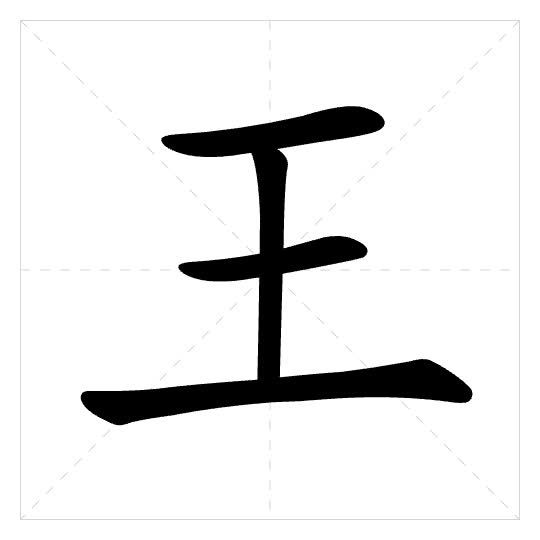
Basic Meaning
n
refers to historical or ceremonial rulers, such as kings or queens
monarch; supreme ruler
君主;最高统治者。
Words:
君王国王女王王室帝王
Synonyms:
君
Sentences:
- 这位国王非常受人民爱戴。This king is deeply loved by the people.
- 在古代,君王拥有绝对的权力。In ancient times, monarchs held absolute power.
n
used in historical contexts for titles like prince or duke
highest noble title in feudal times
封建时代的最高爵位。
Words:
王爵亲王王侯将相诸侯王郡王
Sentences:
- 他是一位亲王,地位很高。He is a prince, with a very high status.
- 王侯将相在古代社会很重要。Nobles and generals were very important in ancient society.
n
often used metaphorically or in informal contexts for heads of groups
leader; chief
首领;头目。
Words:
占山为王妖王鬼王山大王魔王
Synonyms:
头酋
Sentences:
- 在故事里,魔王总是很强大。In stories, the demon king is always very powerful.
n
commonly used in compound words to denote supremacy
the most outstanding, largest, or strongest in its category
同类中最特出、最大或最强的。
Words:
蜂王蚁王王牌兽中之王花中之王
Sentences:
- 蜂王负责产卵和领导蜂群。The queen bee is responsible for laying eggs and leading the hive.
- 这张牌是他的王牌,不能轻易使用。This card is his ace, and he can't use it lightly.
- 狮子被称为兽中之王。The lion is called the king of beasts.
Writing & Component
Radical王
Structuresingle
Stroke Count4
Strokes一一丨一