
输输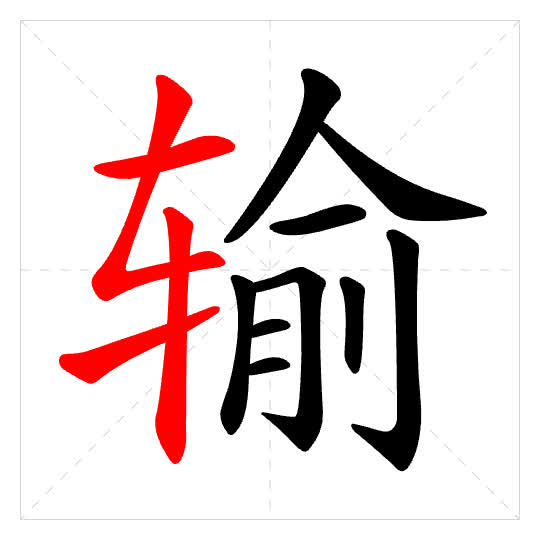
Basic Meaning
v
Often used in formal or technical contexts for moving goods, energy, or information.
to transport; to convey
从一个地方运送到另一个地方。
Words:
Sentences:
- 这条管道负责把水输送到城市的每个角落。This pipeline is responsible for transporting water to every corner of the city.
- 国家电网从这里向南方输送电力。The national power grid transmits electricity from here to the south.
v
A formal, literary usage. Often seen in classical contexts or fixed phrases like 捐输.
to donate; to contribute (money or property)
〈书〉捐献(财物)。
Words:
输财捐输输诚输财助学
Synonyms:
捐献赠
Sentences:
- 为了帮助受灾地区,他决定输财赈灾。To help the disaster-stricken area, he decided to donate money for disaster relief.
v
Very common in daily life and competitive contexts. Its opposite is 赢.
to lose; to be defeated
失败;败(跟“赢”相对)。
Words:
输家认输输球不认输绝不认输
Synonyms:
败负
Antonyms:
Sentences:
- 昨天的比赛,我们队输了两个球。In yesterday's match, our team lost by two goals.
- 没关系,输了下次再努力。It's okay, we'll try again next time if we lose.
- 他打游戏从不认输。He never admits defeat when playing games.
v
A formal, literary usage, typically appearing in fixed written expressions to compare and denote a slight shortcoming.
to be inferior (to); to fall short
〈书〉逊;差。
Words:
略输一筹
Synonyms:
差逊
Sentences:
- 他的文笔很好,但论气势,还是略输一筹。His writing style is excellent, but in terms of imposing momentum, it still falls slightly short.
Writing & Component
Radical车
Structureleft_right
Stroke Count13
Strokes一𠃋丨㇀丿㇏一丨𠃌一一丨亅