
要要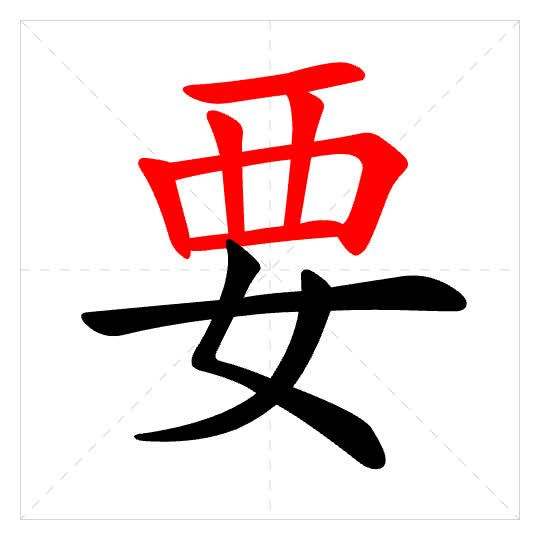
Basic Meaning
adj
Often used in compound words like 要事 (important matter) or 要紧 (urgent).
important; significant; serious
值得重视的;重大的。
Words:
要事要职要紧要闻要案
Synonyms:
Sentences:
- 我有件要事要和你商量。I have an important matter to discuss with you.
- 这个问题非常要紧,必须马上解决。This issue is very urgent and must be resolved immediately.
n
Usually appears as the second character in words like 摘要 (summary) or 纲要 (outline).
important thing; key point; summary
重大的值得重视的东西。
Words:
纲要摘要纪要提要概要
Sentences:
- 这是文章的摘要,你先看看。This is the summary of the article, take a look first.
v
Often used in contexts related to debt or claiming what is yours, as in 要账.
to ask for; to demand (something owed)
索取。
Words:
要账要债索要
Antonyms:
Sentences:
- 他明天要来要账,我得准备好钱。He's coming tomorrow to collect the debt, I need to get the money ready.
v
Grammatically, it must be followed by a request for someone to do something, as in 要求 (to request).
to request; to ask for (must be followed by a verb-object complement)
请求;要求(后面必带兼语)。
Words:
Sentences:
- 老师要求我们每天练习口语。The teacher requests that we practice speaking every day.
v
Used directly before a verb to indicate desire or will to perform an action.
modal verb: to want to (do something); expresses intention
助动词。表示做某事的意志。
Sentences:
- 明天我要去北京出差。Tomorrow I want to go to Beijing on a business trip.
- 你要不要试试这道菜?Do you want to try this dish?
v
Similar in meaning to 需要. Indicates a necessity.
to need; to require
需要。
Words:
Sentences:
- 做这个项目需要很多人力。Doing this project requires a lot of manpower.
- 你要更多的耐心。You need more patience.
v
Expresses obligation or strong recommendation.
should; must
应该,必须。
Words:
必要须要应要
Sentences:
- 出门前要检查门窗。You must check the doors and windows before leaving.
v
Used to make an estimate, often when comparing two things.
is estimated to (used in comparisons)
表示估计(用于比较)。
Sentences:
- 从我家到机场要一个小时。It takes about an hour from my home to the airport.
- 这次考试要比上次难。This exam is estimated to be harder than the last one.
adv
A common future tense adverb, often paired with 了.
will; is going to (future tense marker)
将要。
Sentences:
- 天快要下雨了。It's going to rain soon.
- 火车就要开了,我们快点。The train is about to leave, let's hurry.
conj
Used to introduce a conditional clause, similar to 如果.
conjunction: if; in case
连词,要是,若,如果。
Words:
Sentences:
- 你要是不来,我们就自己吃了。If you don't come, we'll just eat by ourselves.
conj
Used to present alternatives, often as 要么.
conjunction: either... or...; or
表示非此即彼;要么。
Words:
要么
Sentences:
- 要么你去,要么我去,必须选一个。Either you go, or I go, we must choose one.
v
Expresses a desire or aspiration, softer than sense 5.
to hope; to wish; to want (emotionally)
希望;想。
Words:
想要要强要好
Sentences:
- 他很要好,总是希望自己做得最好。He is very ambitious, always hoping to do his best.
v
Focuses on the desire to have or possess a specific thing.
to want (to obtain or keep something)
希望得到或保持。
Words:
要钱想要
Sentences:
- 我要努力学习,希望能考上理想的大学。I will study hard and hope to get into my ideal university.
- 我生日只想要一个简单的礼物。For my birthday, I just want a simple gift.
Writing & Component
Radical覀
Structuretop_bottom
Stroke Count9
Strokes一丨𠃍丨丨一𡿨丿一