
卖卖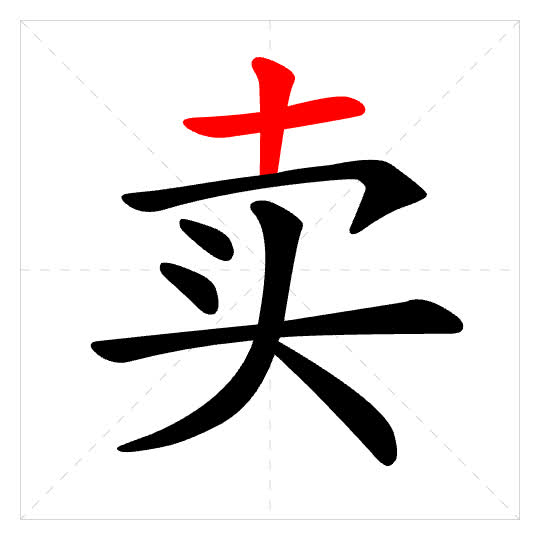
Basic Meaning
v
Commonly used in everyday contexts like commerce or services.
to sell; to exchange goods, skills, or effort for money (opposite of 'buy').
出售;用东西或技艺、力气等换钱(跟“买”相对)。
Words:
卖菜卖艺拍卖热卖卖货
Synonyms:
售销
Antonyms:
买购
Sentences:
- 他在市场卖菜,生意很好。He sells vegetables at the market, and business is good.
- 这家店正在热卖新款手机。This store is hot-selling new model phones.
- 她靠卖艺为生,每天在街头表演。She makes a living by selling her skills, performing on the streets every day.
v
Often used in negative contexts, e.g., 卖国 (betraying one's country).
to betray; to act for personal gain, harming country, nation, friends, etc., by siding with enemies.
为了个人利益,做出有利于敌人的事,使国家、民族、亲友等蒙受损害;出卖。
Words:
卖身投靠卖友卖国求荣卖国叛卖
Sentences:
- 他为了钱卖友,失去了所有信任。He betrayed his friend for money and lost all trust.
- 历史上有许多人因卖国求荣而被谴责。In history, many people have been condemned for betraying their country for glory.
v
Usually implies putting in great effort or energy, as in 卖力 (to work hard).
to exert to the utmost; to spare no effort.
尽量使出来;不吝惜。
Words:
卖劲卖力卖命卖力气
Sentences:
- 他工作很卖劲,总是第一个完成任务。He works very hard and is always the first to complete tasks.
- 为了这个项目,她卖力地加班了好几天。For this project, she worked overtime with great effort for several days.
v
Often has a negative connotation of being boastful or ostentatious.
to show off; to display or flaunt oneself.
卖弄,显示、表现自己。
Words:
卖乖卖弄卖功卖俏倚老卖老
Sentences:
- 他喜欢卖弄自己的知识,让人有点烦。He likes to show off his knowledge, which is a bit annoying.
- 别卖乖了,我们都知道你做了什么。Stop acting cute, we all know what you did.
Writing & Component
Radical十
Structuretop_bottom
Stroke Count8
Strokes一丨㇇丶丶一丿丶