
读读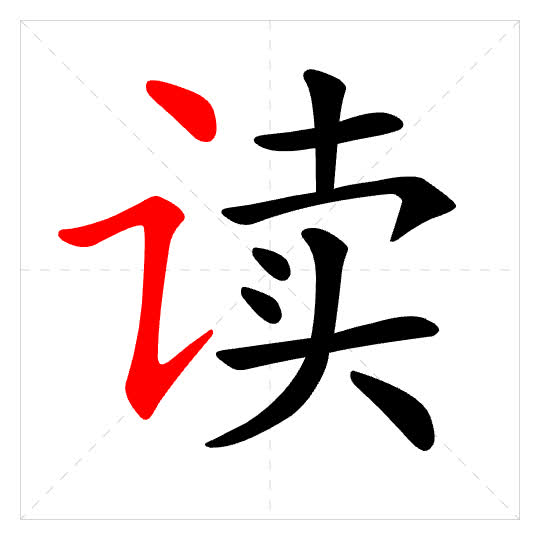
Basic Meaning
v
Often used for reading out loud, e.g., in class or presentations.
to read aloud; to recite
依照文字念。
Words:
朗读宣读诵读读一读大声读
Sentences:
- 老师让学生大声朗读课文。The teacher asks the students to read the text aloud loudly.
- 他喜欢在睡前读一读故事书。He likes to read a storybook aloud before sleeping.
v
General term for reading text silently or for comprehension.
to read; to peruse
阅读;看(文章)。
Words:
Synonyms:
阅
Sentences:
- 我每天阅读新闻来了解世界。I read the news every day to understand the world.
- 这本书很有趣,值得一读。This book is very interesting and worth reading.
v
Used in contexts related to attending school or studying a subject.
to study; to pursue education
攻读;求学。
Words:
攻读走读试读读中学读文科
Sentences:
- 他正在攻读博士学位。He is currently pursuing a doctoral degree.
- 我妹妹读中学,明年毕业。My younger sister is studying in middle school and will graduate next year.
v
Refers to how a character is pronounced, often in linguistic contexts.
pronunciation; reading of a character
(字的)念法;读音。
Words:
异读破读旧读轻读读法
Sentences:
- 这个字有两种读法,你知道吗?This character has two pronunciations, do you know?
Writing & Component
Radical讠
Structureleft_right
Stroke Count10
Strokes丶㇊一丨㇇丶丶一丿丶