
全全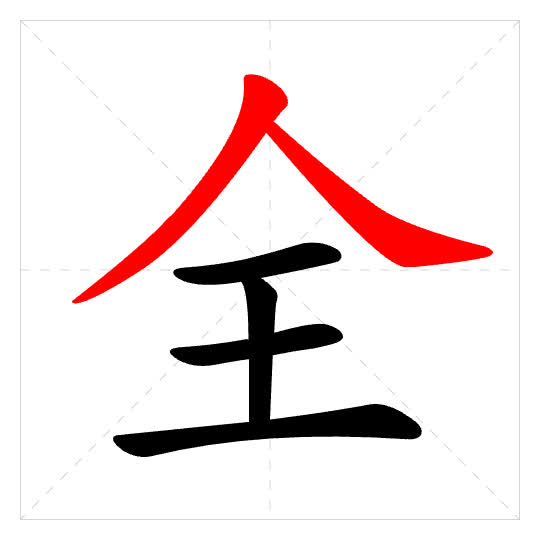
Basic Meaning
adj
Often used to describe objects or collections that are whole or have all necessary parts.
complete; fully equipped; intact; not lacking anything.
完备,齐备,完整,不缺少。
Words:
齐全残缺不全一应俱全十全十全十美
Antonyms:
缺残
Sentences:
- 这个图书馆的书很齐全。The books in this library are very complete.
- 我的收藏品一应俱全。My collection has everything it should have.
v
Used as a verb to indicate an action that ensures completeness or safety.
to make complete or intact; to preserve from damage.
使完整不缺或不受损害。
Words:
Synonyms:
Antonyms:
Sentences:
- 他努力保全自己的名誉。He works hard to preserve his reputation.
- 朋友成全了我的梦想。My friend helped make my dream come true.
adj
Describes something as a complete unit, often used with nouns like 全国 (whole country) or 全身 (whole body).
whole; entire.
整个。
Synonyms:
Sentences:
- 他全神贯注地学习。He studies with full concentration.
- 我们全家都去旅行了。Our whole family went on a trip.
adv
Functions as an adverb to indicate totality or universality in a situation.
completely; all.
完全;都。
Words:
完全全别
Synonyms:
Sentences:
- 这个问题我全不知道。I don't know anything about this problem at all.
- 孩子们全都很开心。All the children are very happy.
adv
Emphasizes a high degree or complete change, often used in contexts like 全新 (brand new).
100%; entirely; to the fullest degree.
表示程度百分之百。
Words:
全新全然面目全非
Sentences:
- 他买了一辆全新的车。He bought a brand new car.
- 这个地方已经面目全非了。This place has changed completely beyond recognition.
Writing & Component
Radical入
Structuretop_bottom
Stroke Count6
Strokes丿㇏一一丨一