
都都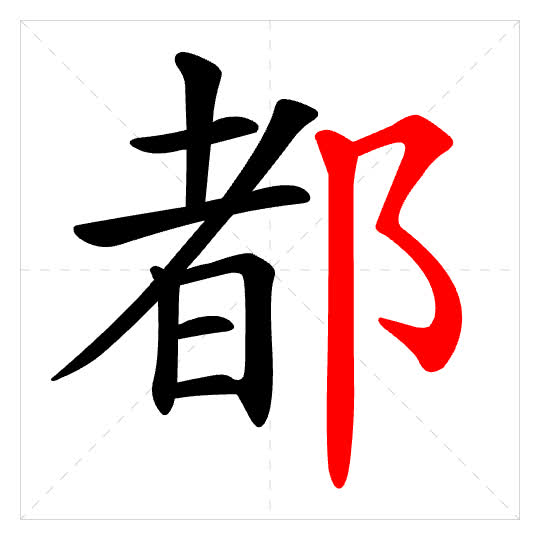
Basic Meaning
adv
Indicates totality. The element being summarized (e.g., subject) is placed before 都, except in some interrogative sentences.
all; both
表示总括,除疑问句外,所总括的成分放在“都”前。
Words:
全都
Synonyms:
全皆
Sentences:
- 这些书你都看过了吗?Have you read all these books?
- 水果和蔬菜我都喜欢。I like both fruit and vegetables.
- 我们班的同学全都参加了运动会。All the students in our class participated in the sports meet.
adv
Often used with 是 to express the main or sole reason.
precisely because; due to
跟“是”合用,表示唯一的或主要的原因理由。
Sentences:
- 他不舒服,都是因为昨晚没睡好。He's not feeling well, precisely because he didn't sleep well last night.
- 这次迟到都是我的错。This lateness is entirely my fault.
adv
Used to emphasize a surprising or extreme case.
even (to an extreme degree)
表示“甚至”。
Sentences:
- 这个问题太难了,老师都不知道答案。This question is so difficult that even the teacher doesn't know the answer.
- 他忙得连吃饭都忘了。He was so busy that he even forgot to eat.
adv
Often used at the end of a sentence with 了.
already
表示“已经”,句末常用“了”。
Sentences:
- 都十二点了,快睡觉吧。It's already twelve o'clock, go to bed soon.
- 我都熬了一夜,该合合眼睡一会儿了。I've been up all night, I should close my eyes and get some sleep.
Writing & Component
Radical阝
Structureleft_right
Stroke Count10
Strokes一丨一丿丨𠃍一一㇌丨