
丢丢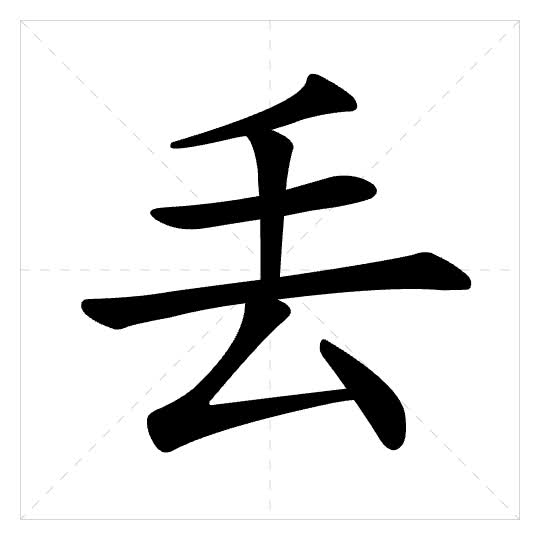
Basic Meaning
v
Common for losing items like phones, keys, or abstract things like 面子 (face, reputation). The expression 丢三落四 describes a forgetful person who often loses things.
to lose; to misplace.
失去,遗落。
Words:
丢失丢面子丢脸丢落丢三落四丢盔弃甲
Synonyms:
Antonyms:
拾
Sentences:
- 我的手机丢了,真让人着急。I lost my phone, it's really worrying.
- 他觉得自己在大家面前说错了话,有点丢面子。He felt he said the wrong thing in front of everyone and lost a bit of face.
v
Used for physically throwing out trash or abstractly discarding ideas/habits. In 丢车保帅 (sacrifice a rook to save the king), it implies strategic abandonment.
to throw away; to discard.
扔;抛弃。
Words:
丢盔弃甲丢掉丢车保帅丢弃
Synonyms:
扔
Antonyms:
拾
Sentences:
- 这个面包过期了,我们把它丢掉吧。This bread is expired, let's throw it away.
- 为了专心备考,他决定丢弃一些坏习惯。To focus on exam preparation, he decided to discard some bad habits.
v
Often used with 了 to indicate an action is temporarily paused or an item is temporarily placed somewhere. 丢不开 means 'cannot put it aside' (e.g., a worry).
to put aside; to set down for the moment.
搁置;放。
Words:
丢了丢不开
Synonyms:
Antonyms:
拾
Sentences:
- 你先把手里的活儿丢了,我们去开个会。Put aside the work in your hands for now, let's go to a meeting.
- 这件事一直让他心烦,他总也丢不开。This matter has been bothering him; he just can't put it aside.
Writing & Component
Radical一
Structuretop_bottom
Stroke Count6
Strokes丿一丨一𠃋丶