
居居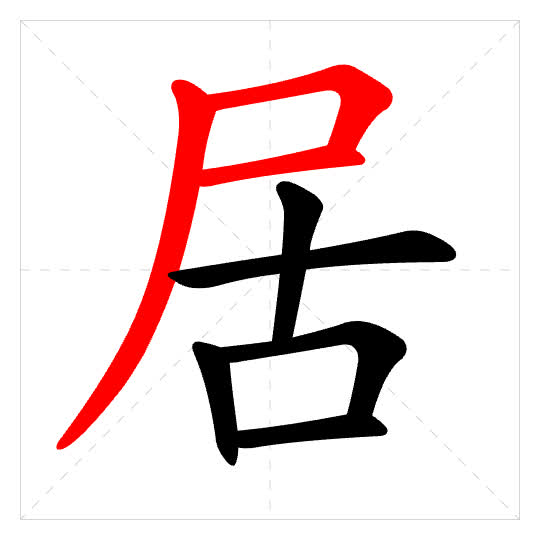
Basic Meaning
v
to reside; to live
住。
Words:
居住居民分居同居久居乡间
Synonyms:
Sentences:
- 他在上海居住了十年。He has lived in Shanghai for ten years.
- 我的家人分居在两个城市。My family members live in two separate cities.
- 她久居乡间,喜欢那里的宁静。Having lived in the countryside for a long time, she enjoys the peace there.
n
residence; dwelling; home
住的地方;住所。
Words:
迁居新居故居民居旧居
Sentences:
- 他们刚刚搬进了新居。They just moved into their new home.
- 这里是作家的故居,现在是一个博物馆。This is the writer's former residence, now a museum.
v
Often used in formal or written contexts to describe a status or ranking.
to be in (a certain position); to occupy
处于;在(某种位置)。
Words:
居高临下后来居上居左居首居安思危
Sentences:
- 她的成绩在班里居首。Her grades rank first in the class.
- 这张图片的标题应该居左对齐。The title of this picture should be left-aligned.
v
Mostly used in fixed phrases like 居功, often with a negative or boastful connotation.
to claim (credit); to regard oneself as
当;任。
Words:
居功自傲居功
Sentences:
- 他为公司做出了贡献,但他从不居功。He contributed a lot to the company, but he never claims credit.
- 有一点成绩就居功自傲是不好的。It's not good to become arrogant and claim credit for a little achievement.
v
Used with words like 多 or 少 to indicate a majority or minority.
to constitute; to account for; to occupy (a proportion)
占据;属于(某种情况)。
Words:
居多居少
Sentences:
- 在我们的团队里,女性成员居多。In our team, female members constitute the majority.
Writing & Component
Radical尸
Structuresemi_enclosed
Stroke Count8
Strokes𠃍一丿一丨丨𠃍一