
坏坏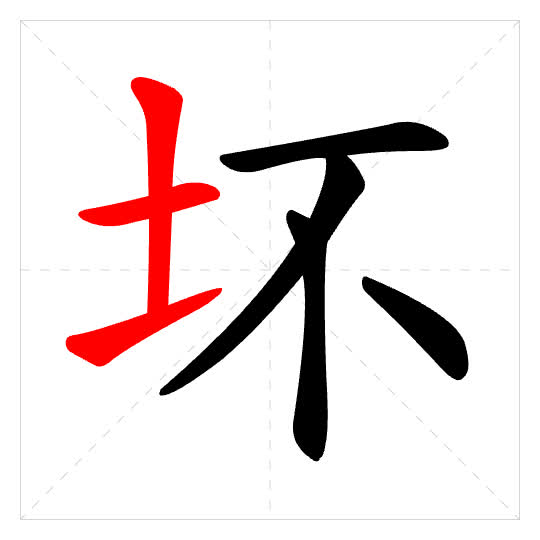
Basic Meaning
adj
Describes a person's character, a thing's nature, or its effect.
evil; wicked; harmful; rotten (morally)
品质恶劣的,起破坏作用的。
Synonyms:
Antonyms:
Sentences:
- 不要和坏人交朋友。Don't make friends with bad people.
- 看电视离得太近对眼睛有坏处。Watching TV too closely is bad for your eyes.
adj
Describes the physical state of an object, especially food or machinery.
spoiled; rotten; broken; damaged
受到破坏的;变了质的。
Words:
坏果包赔坏果
Sentences:
- 这个苹果坏了,不能吃了。This apple is rotten/bad, you can't eat it.
- 这家网店承诺坏果包赔。This online store promises compensation for bad/spoiled fruit.
v
A causative verb meaning to cause something to become bad.
to spoil; to ruin; to break
使变坏。
Words:
易坏坏肚子宠坏坏事
Sentences:
- 他把我的计划都坏了。He ruined all my plans.
- 别吃太多冰淇淋,会坏肚子的。Don't eat too much ice cream, it will upset your stomach (make your stomach bad).
n
A noun, often used in phrases like 使坏 (play a trick) or 一肚子坏水 (full of wicked ideas).
a bad idea; mischief
指坏主意。
Words:
使坏一肚子坏水
Sentences:
- 他又在给别人使坏了。He's playing tricks/mischief on others again.
adj
An intensifier, similar to '...to death' or 'extremely...'. Structure: Adj./V. + 坏了.
used after some adjectives/verbs to indicate a high degree
用在某些形容词和动词后,表示程度深。
Words:
忙坏了气坏了乐坏了急坏了饿坏了
Sentences:
- 这个好消息让他乐坏了。This good news made him extremely happy.
- 我今天忙坏了,一直没时间休息。I was extremely busy today, didn't have time to rest at all.
adj
Describes traits, habits, or ideas that are flawed or unsatisfactory.
bad; undesirable (opposite of '好')
缺点多的或使人不满意的,跟“好”相对。
Words:
坏毛病坏脾气坏习惯坏主意坏心思
Antonyms:
Sentences:
- 咬指甲是一个坏习惯。Biting your nails is a bad habit.
- 他的坏脾气让同事们都受不了。His bad temper makes all his colleagues unable to stand it.
adj
Describes the negative result of an action.
bad; unfavorable (describing an outcome)
表示后果不好。
Words:
摔坏惯坏宠坏学坏搞坏
Sentences:
- 小心点,别把手机摔坏了。Be careful, don't drop and break your phone.
- 父母太宠爱孩子可能会把孩子惯坏。If parents spoil a child too much, they might ruin the child.
Writing & Component
Radical土
Structureleft_right
Stroke Count7
Strokes一丨㇀一丿丨丶