
命命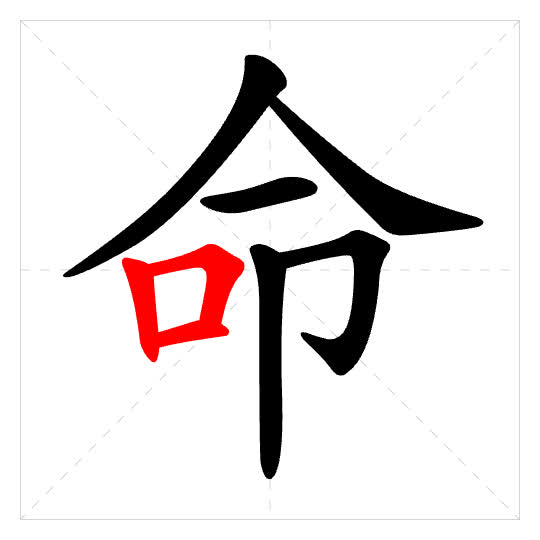
Basic Meaning
n
常与“救”、“丧”、“拼”、“性”等字结合使用,如“救命”、“性命”。
life (the vital force of a living organism)
生命,生物的生活能力,也就是跟矿物、水等有区别的地方。
Words:
救命丧命拼命性命人命关天
Sentences:
- 保护野生动物就是保护它们的性命。Protecting wild animals is protecting their lives.
- 人命关天,我们必须严肃对待。A person's life is of paramount importance; we must treat this seriously.
n
用于传统或迷信语境,谈论宿命、运气等。
fate; destiny (as predetermined by supernatural forces)
迷信认为生来就注定的贫富、寿数等。
Words:
认命算命听天由命命中注定命该如此
Sentences:
- 他不相信算命,认为未来要靠自己努力。He doesn't believe in fortune telling; he thinks the future depends on one's own hard work.
- 她感叹道:“也许这就是我的命吧。She sighed, "Maybe this is just my fate."
n
常用于正式指令或军事、纪律场合。
order; command
指示;命令。
Words:
奉命遵命原地待命奉命前往俯首听命
Sentences:
- 士兵们接到命令,要立刻出发。The soldiers received the order and had to depart immediately.
- 他奉命前往灾区进行救援工作。He was ordered to go to the disaster area to carry out rescue work.
v
常见于“命名”、“命题”等组合。
to name; to assign (a name)
给予(名称等)。
Words:
命名命题
Sentences:
- 这个公园被命名为“和平公园”This park was named "Peace Park".
- 老师给我们出了一个作文命题。The teacher assigned us a composition topic.
v
这个含义在现代常用语中较少独立使用,多见于成语“相依为命”中。
to survive; to make a living
生存;生活。
Words:
相依为命
Sentences:
- 老人和孩子相依为命,生活虽然艰苦却很温暖。The old person and the child depend on each other to survive; their life is hard but warm.
v
通常用于自视过高、自我评价的语境,如“自命不凡”,含有贬义或讽刺意味。
to consider oneself as; to regard oneself as
以为。
Words:
自命不凡
Sentences:
- 他总是自命不凡,不太受同事欢迎。He always considers himself extraordinary and is not very popular with colleagues.
Writing & Component
Radical口
Structuretop_bottom
Stroke Count8
Strokes丿㇏一丨𠃍一𠃌丨