
刚刚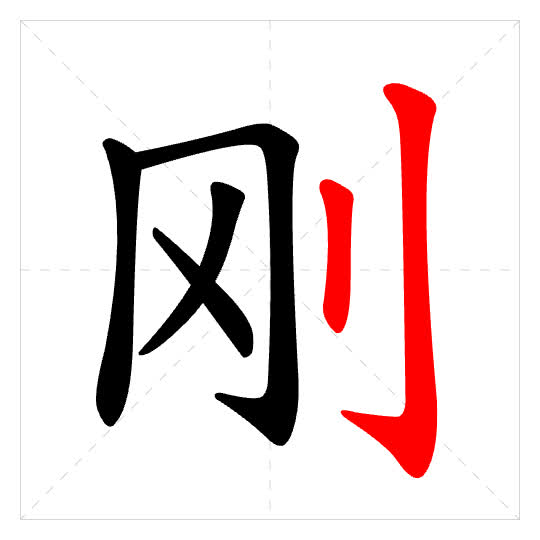
Basic Meaning
adj
Often used to describe physical hardness or moral strength, as in 刚强 or 刚硬.
hard; strong; firm (opposite of '柔')
硬;坚强(跟“柔”相对)。
Words:
刚毛刚强刚硬刚直刚正
Synonyms:
硬
Antonyms:
柔
Sentences:
- 他的性格很刚强,从不轻易放弃。His personality is very strong; he never gives up easily.
- 这块木头很刚硬,很难切割。This piece of wood is very hard; it's difficult to cut.
adv
Commonly used in contexts like 刚好 or 刚巧 to indicate perfect timing or fit.
exactly; just right (not too big, small, much, little, early, late, front, or back)
恰好;正好(不大不小、不多不少、不早不晚、不前不后)。
Words:
刚好刚巧
Synonyms:
恰
Sentences:
- 这件衣服刚好合身,不大不小。This piece of clothing fits just right, not too big or too small.
- 我刚巧在超市遇到他。I happened to meet him at the supermarket.
adv
Often used with 刚刚 or 刚才 to emphasize recentness.
just; recently (indicating an action, situation, or state that occurred shortly before speaking)
表示动作、情况或状态在说话前不久发生。
Synonyms:
Sentences:
- 我刚到办公室,还没开始工作。I just arrived at the office and haven't started work yet.
- 他刚刚离开,你可以打电话给他。He just left; you can call him.
adv
Grammatical pattern: 刚 + action1 + 就/又 + action2.
used with '就' or '又' to indicate two actions or situations happening in quick succession
后面常用“就、又”跟“刚”呼应,表示两个动作或情况接连发生。
Sentences:
- 我刚吃完饭,就接到一个电话。I had just finished eating when I received a phone call.
- 他刚出门,又回来拿钥匙。He had just gone out, then came back to get the keys.
adv
Implies a sense of scarcity or minimal achievement.
barely; only just (indicating something is barely sufficient or minimal)
表示勉强达到某种程度;仅仅。
Sentences:
- 我刚够钱买这本书。I barely have enough money to buy this book.
- 他刚及格,成绩不太好。He barely passed; his grades aren't very good.
Writing & Component
Radical刂
Structureleft_right
Stroke Count6
Strokes丨𠃌丿丶丨亅