
候候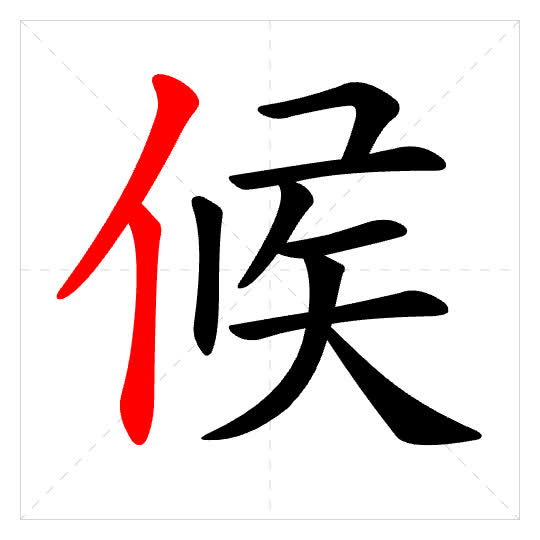
Basic Meaning
v
commonly used in compound words like 候车 (wait for a bus/train), 候诊 (wait to see a doctor), 候机 (wait for a flight)
to wait; to await
等候,等待。
Words:
候望候车室候车候诊候机
Sentences:
- 他正在候诊,医生很快就来。He is waiting to see the doctor, who will come soon.
- 病人在候诊室外安静地等待叫号。The patient waited quietly outside the waiting room for their number to be called.
v
often used in formal or polite contexts, e.g., 问候 (to greet), 致候 (to send greetings)
to greet; to inquire after
问候,问好。
Words:
致候问候拜候敬候候问
Sentences:
- 他打电话问候他的朋友。He called to greet his friend.
- 我写信问候我的老师。I wrote a letter to send greetings to my teacher.
n
commonly appears in words like 时候 (time), 气候 (climate), 候鸟 (migratory bird)
season; time
时节。
Words:
Sentences:
- 现在是时候吃晚饭了。Now is the time to have dinner.
- 这个地区的气候很温和。The climate in this area is very mild.
- 候鸟在春天飞回来。Migratory birds fly back in spring.
n
often used in medical or descriptive contexts, e.g., 火候 (degree of cooking), 症候 (symptom)
condition; situation
情况。
Words:
火候征候症候病候险候
Sentences:
- 炒菜的火候很重要。The degree of cooking when stir-frying is very important.
Writing & Component
Radical亻
Structureleft_right
Stroke Count10
Strokes丿丨丨𠃍一丿一一丿㇏