
步步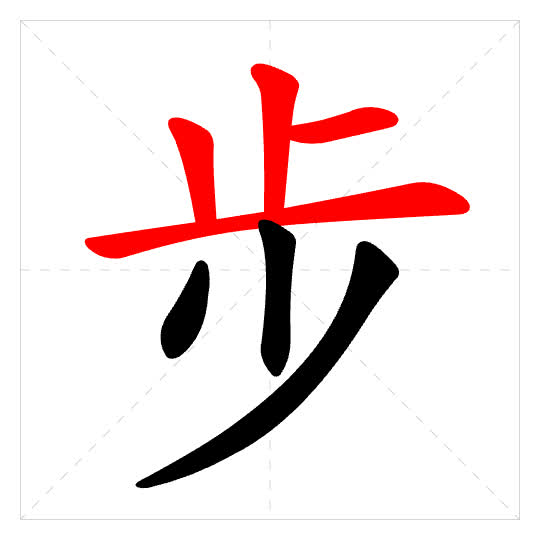
Basic Meaning
n
measure word for steps or paces.
step; pace; the distance between feet when walking.
脚步,行走时两脚之间的距离。
Words:
Sentences:
- 他每天走一万步。He walks ten thousand steps every day.
- 士兵们迈着整齐的步伐前进The soldiers advance with a uniform pace.
- 跑步是很好的运动Running is a great exercise.
n
often used in contexts like plans or procedures.
stage; step in a process.
阶段。
Words:
初步上一步下一步逐步步骤
Sentences:
- 下一步我们要讨论预算The next step is to discuss the budget.
- 请按照步骤操作Please operate according to the steps.
- 这是项目的初步计划This is the initial plan for the project.
n
usually used in phrases like 地步 to indicate a state or condition.
degree; extent; situation.
地步,境地,表示程度。
Words:
地步
Sentences:
- 事情已经到了这个地步,我们只能接受Things have reached this extent, so we can only accept it.
- 他穷到了这个地步,连饭都吃不起He is so poor to this degree that he can't even afford food.
q
archaic; not commonly used in modern contexts.
bu; an old unit of length equal to five chi.
旧时长度单位,一步等于五尺。
Sentences:
- 古代一步等于五尺In ancient times, one bu was equal to five chi.
- 这个房间大约有十步宽This room is about ten bu wide.
v
commonly used in verbs like 步入.
to walk; to step.
用脚走。
Words:
步入步入会场亦步亦趋踏步漫步
Synonyms:
Sentences:
- 他慢慢步入会场He slowly walked into the meeting hall.
- 我喜欢在公园里漫步I enjoy strolling in the park.
- 孩子们在操场上踏步The children are marching on the playground.
v
literary or formal; often used in set phrases.
to tread; to step on; to follow.
〈书〉踩;踏;指追随。
Words:
步入后尘
Synonyms:
踏踩
Sentences:
- 他不愿步入后尘,决定创新He doesn't want to follow in others' footsteps and decides to innovate.
- 在文学上,他亦步亦趋地模仿前辈In literature, he closely imitates his predecessors.
Writing & Component
Radical止
Structuretop_bottom
Stroke Count7
Strokes丨一丨一丨丿丿