
晕晕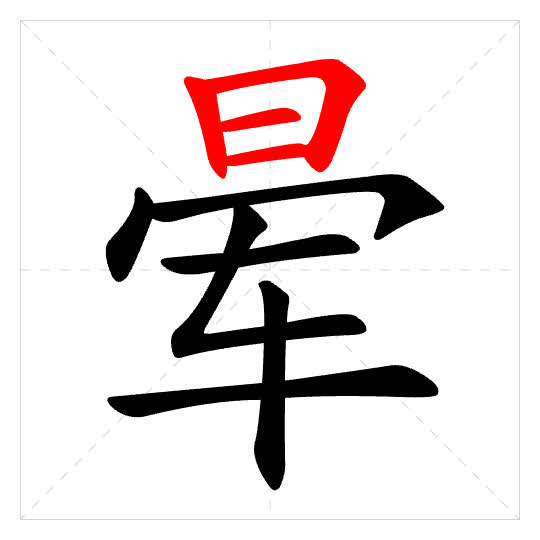
Basic Meaning
v
Typically refers to a temporary loss of consciousness due to a sudden physical condition, like shock or illness. In informal speech, 晕了 (yun1 le) can sometimes be used metaphorically to mean 'to be stunned' or 'to be overwhelmed'.
to faint; to lose consciousness
昏迷。
Words:
晕厥晕倒
Synonyms:
昏迷
Antonyms:
醒
Sentences:
- 他听到这个消息后,差点晕过去。He almost fainted after hearing this news.
- 天气太热了,排队时有人晕倒了。It was too hot, and someone fainted while standing in line.
adj
Describes the uncomfortable sensation of feeling unsteady, spinning, or faint, often caused by illness (e.g., a cold), fatigue, or motion. 头晕目眩 is a common four-character phrase describing this state.
dizzy; lightheaded; giddy
(头脑)昏眩。
Words:
头晕眩晕目眩头晕晕晕沉沉晕晕乎乎
Synonyms:
昏迷
Antonyms:
醒
Sentences:
- 我感冒了,感觉有点头晕。I have a cold and feel a bit dizzy.
- 她昨晚没睡好,今天早上起床时感到一阵头晕,差点摔倒。She didn't sleep well last night, and when she got up this morning she felt dizzy and almost fell.
Writing & Component
Radical日
Structuretop_bottom
Stroke Count10
Strokes丨𠃍一一丶㇇一𠃋一丨