
提提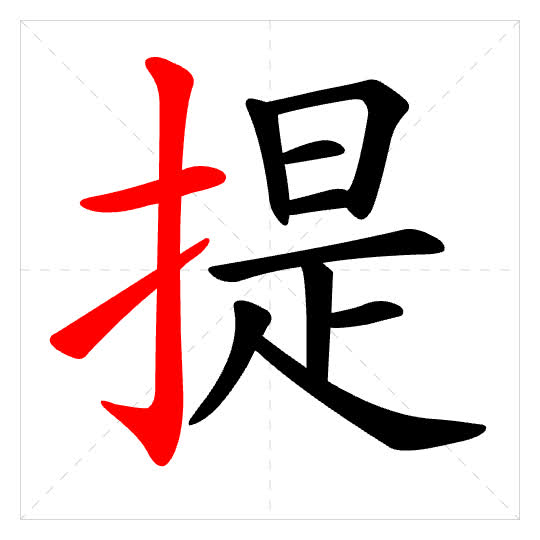
Basic Meaning
v
often used for objects like buckets, bags, or containers
to carry (something with a handle, ring, strap, or loop) by holding it with the hand lowered
将手垂下来拿着(有环、柄、提梁、绳套之类的东西)。
Words:
提水提桶提心吊胆提着
Synonyms:
Sentences:
- 他每天早晨都提着水桶去浇花He carries a water bucket every morning to water the flowers.
- 妈妈提着购物袋从超市回来了Mom came back from the supermarket carrying a shopping bag.
v
commonly used in contexts like improving skills, increasing prices, or promoting someone
to move upward or raise (from a lower to a higher position)
使由下往上或由低往高移。
Words:
Sentences:
- 公司决定提升他的职位The company decided to promote him to a higher position.
- 我们需要提高工作效率We need to improve our work efficiency.
v
typically refers to deadlines, appointments, or events
to move a scheduled time earlier
把预定的期限往前挪。
Words:
提早提前
Sentences:
- 会议提前到明天上午举行The meeting has been moved earlier to tomorrow morning.
- 他提早完成了作业He finished his homework ahead of schedule.
v
used for ideas, suggestions, questions, or reminders
to point out; to mention; to bring up
指出;说出。
Words:
Sentences:
- 学生向老师提了一个问题The student asked the teacher a question.
- 她提醒我别忘了带钥匙She reminded me not to forget to bring the keys.
v
often used for money, goods, or substances like oil or minerals
to extract; to withdraw
提取。
Words:
提成提款提货提炼提纯
Synonyms:
挫吊
Sentences:
- 他去银行提款He went to the bank to withdraw money.
- 工厂从石油中提炼汽油The factory extracts gasoline from petroleum.
v
used in conversational contexts to refer to topics or past events
to talk about; to mention
说起;谈到。
Words:
Sentences:
- 他绝口不提昨天发生的事He absolutely refused to talk about what happened yesterday.
- 我们经常提起大学时的朋友We often mention friends from university days.
v
specific to legal or judicial contexts
to bring a prisoner out from custody
把犯人从关押的地方带出来。
Words:
提讯提审提犯人
Sentences:
- 警察提审了那个嫌疑人The police brought the suspect out for interrogation.
- 法官下令提犯人出庭The judge ordered the prisoner to be brought to court.
v
figurative use, often related to boosting mood or energy
to cheer up; to invigorate
比喻振作。
Words:
提精神
Sentences:
- 喝杯咖啡可以提精神Drinking a cup of coffee can cheer you up.
- 运动后我感觉提神多了After exercising, I feel much more invigorated.
v
used in contexts of mentoring or directing others
to lead; to guide
带领;率领。
Words:
提携提挈
Sentences:
- 老师提携年轻教师成长The teacher guides and mentors young teachers in their growth.
v
commonly in elections, awards, or job promotions
to nominate; to recommend
推举。
Words:
提名提候选人
Sentences:
- 他被提名为最佳员工He was nominated as the best employee.
- 公司提候选人参加选举The company nominates candidates to participate in the election.
Writing & Component
Radical扌
Structureleft_right
Stroke Count12
Strokes一亅㇀丨𠃍一一一丨一丿㇏