
干干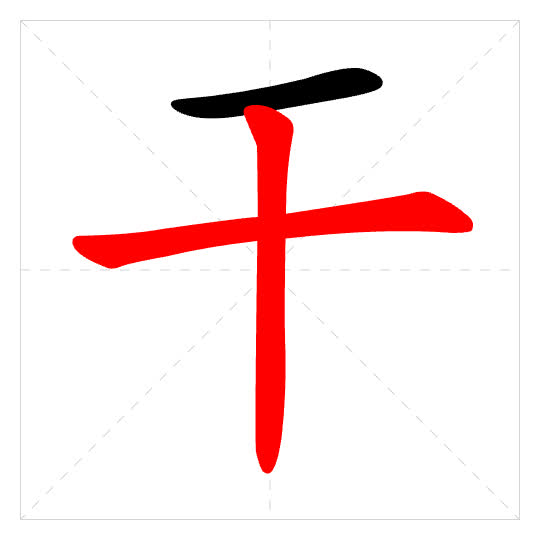
Basic Meaning
n
Often used to describe the core or supporting structure of something physical (like a tree) or abstract (like a transportation network).
main part; trunk; essential part; artery
事物的主体,重要的部分。
Words:
树干躯干干线主干骨干
Antonyms:
Sentences:
- 树干被风吹断了。The tree trunk was broken by the wind.
- 京广铁路是一条重要的交通干线。The Beijing-Guangzhou Railway is an important transportation artery.
n
Specifically refers to administrative personnel or government officials.
cadre; functionary
指干部。
Words:
提干调干干校干群路线以工代干
Sentences:
- 他是一名基层干部。He is a grassroots-level cadre.
v
to do; to work; to act
做(事)。
Words:
实干巧干干活儿埋头苦干苦干
Synonyms:
Sentences:
- 我们要努力工作,埋头苦干。We must work hard and immerse ourselves in diligent work.
- 他在花园里干活儿。He is working in the garden.
adj
Used to describe a person's ability. It often appears in compound words with positive connotations.
capable; competent; efficient
能干;有能力的。
Words:
干练干将精明强干干才才干
Sentences:
- 她办事非常干练。She handles affairs very capably and efficiently.
- 我们需要精明强干的员工。We need shrewd and capable employees.
v
Often used to describe one's profession or role. It can be similar to 做 but sometimes implies a formal position.
to serve as; to work as; to be engaged in
担任;从事。
Words:
干辅干活(儿)
Sentences:
- 他干过很多不同的工作。He has worked in many different jobs.
n
The primary, woody stem of a tree. This sense is very specific and overlaps with sense 1 in the context of a tree.
tree trunk
树干。
Words:
赤干丰干根干柯干枝干
Sentences:
- 大树的枝干非常粗壮。The branches and trunk of the big tree are very thick and strong.
Writing & Component
Radical干
Structuresingle
Stroke Count3
Strokes一一丨