
姑姑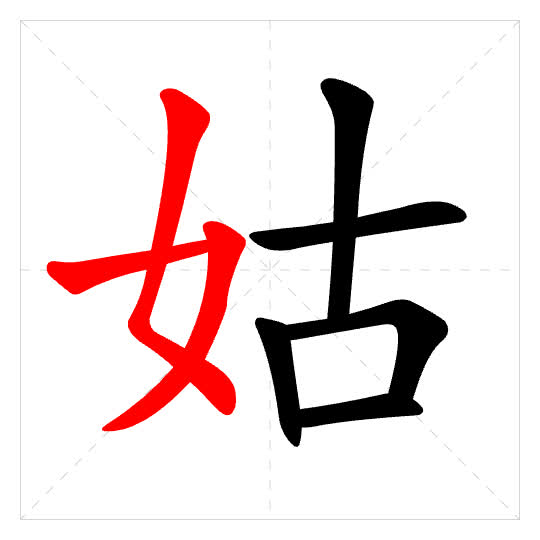
Basic Meaning
n
As a kinship term, you can add a prefix to specify. For example, 大姑 (elder aunt), 小姑 (younger aunt), 表姑 (cousin aunt).
(father's) sister
对父亲的姐妹的称呼。
Words:
姑母大姑姑姑姑妈表姑
Sentences:
- 这位是我姑母,是我父亲的姐姐。This is my aunt, my father's elder sister.
- 我大姑每年春节都会来我家吃饭。My eldest aunt comes to my house for dinner every Chinese New Year.
n
Used in relation to a wife. For example, 姑嫂 refers to a wife and her husband's sister(s).
(husband's) sister
丈夫的姐妹。
Words:
姑嫂小姑子大姑子姑姐小姑
Sentences:
- 我和小姑子关系很好。I have a very good relationship with my husband's younger sister.
- 姑嫂两人一起去逛街。The wife and her husband's sister went shopping together.
n
Often used as part of specific terms for religious roles, such as 尼姑 for a Buddhist nun. The term '三姑六婆' refers to various types of female practitioners and is a somewhat derogatory historical term.
female religious practitioner; nun
出家修行或从事迷信职业的妇女。
Words:
道姑尼姑三姑六婆
Sentences:
- 那位尼姑在寺庙里修行多年。That nun has been practicing at the temple for many years.
- 在古代,三姑六婆指的是各种职业的妇女。In ancient times, '三姑六婆' referred to women of various professions.
adv
This usage is formal or literary. Modern usage is often in the fixed expression '姑且'. For example, '姑妄言之' means 'just speaking casually'.
(classical) adverb meaning 'temporarily', 'tentatively', 'for the moment'
文言副词,姑且,暂且。
Words:
姑妄言之姑息子姑待之姑且
Sentences:
- 这个问题很复杂,我们姑且搁置,先讨论简单的。This problem is very complicated, let's put it aside temporarily and discuss the simple ones first.
Writing & Component
Radical女
Structureleft_right
Stroke Count8
Strokes𡿨丿一一丨丨𠃍一