
哈哈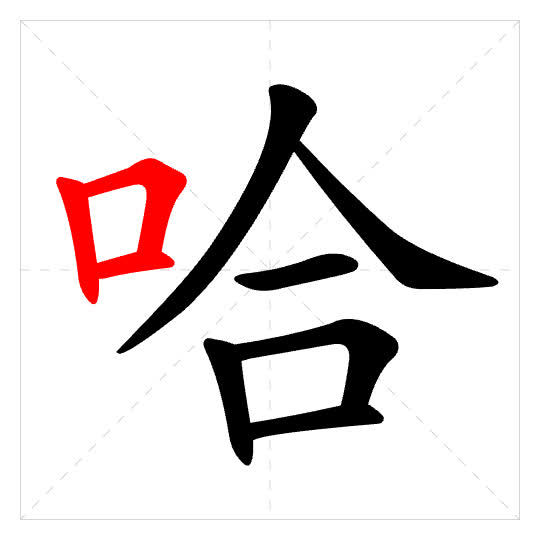
Basic Meaning
v
often used in contexts like yawning or breathing on something to warm it
to exhale with an open mouth; to breathe out
张嘴呼气。
Words:
哈气哈欠
Sentences:
- 冬天很冷,他对着手哈气取暖。It's very cold in winter; he exhales on his hands to warm them up.
- 她打了个哈欠,看起来很困。She yawned and looks very sleepy.
on
commonly used in reduplicated forms like 哈哈 to mimic the sound of laughing
describes laughter (usually repeated)
形容笑声(大多叠用)。
Words:
哈哈大笑哈哈地笑笑哈哈
Sentences:
- 孩子们听了笑话,哈哈大笑起来。The children heard the joke and started laughing heartily.
- 他笑哈哈地走进房间,心情很好。He walked into the room laughing happily, in a good mood.
int
typically informal and expressive, similar to interjections like 'aha' or 'wow' in English
used at the beginning of a sentence (often repeated) to express satisfaction, surprise, etc.
用在句子开头(大多叠用),表示满意、惊喜等。
Words:
哈哈大笑
Sentences:
- 哈哈,我找到我的手机了!Aha, I found my phone!
- 哈哈,这个礼物太棒了!Wow, this gift is awesome!
v
often used in the phrase 点头哈腰, which implies excessive or insincere politeness
to bend the waist slightly as a sign of politeness
腰稍微弯着,表示礼貌。
Words:
点头哈腰
Sentences:
- 他对老板点头哈腰,显得很恭敬。He bows slightly to his boss, appearing very respectful.
Writing & Component
Radical口
Structureleft_right
Stroke Count9
Strokes丨𠃍一丿㇏一丨𠃍一