
咱咱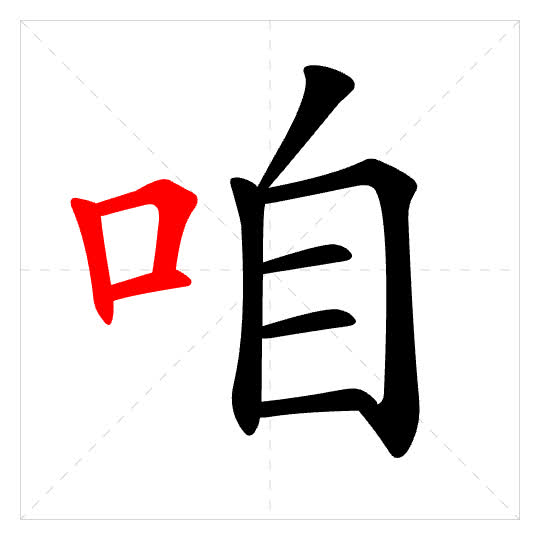
Basic Meaning
pron
An inclusive first-person plural pronoun. It includes the speaker(s) and the listener(s). It is typically used in Northern dialects and casual speech. 咱 is the base form, often combined with other characters like 咱们, 咱俩, 咱每, 咱各, or 咱彼各 for specific meanings or in different dialects, but 咱 alone is also common.
(inclusive) we; us; you and I
总称自己一方和对方,相当于“咱们”。
Words:
Sentences:
- 这是咱公司的规定。This is our company's rule (mine and yours / ours).
- 咱家孩子今年上小学了。Our child (in our family) is starting elementary school this year.
- 咱一起去吃饭吧。Let's go eat together (you and I).
Writing & Component
Radical口
Structureleft_right
Stroke Count9
Strokes丨𠃍一丿丨𠃍一一一