
上上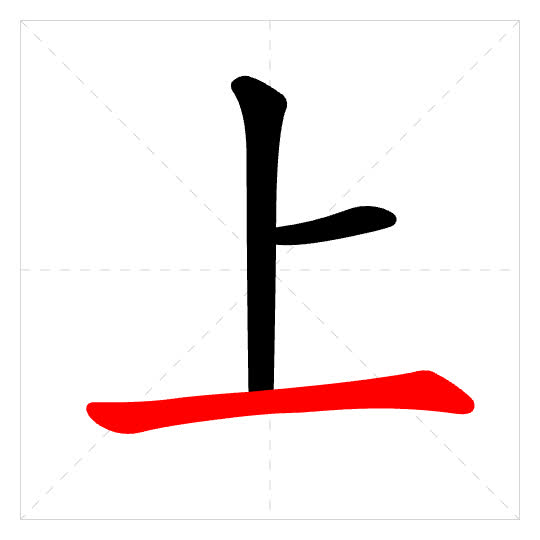
Basic Meaning
n
Noun indicating high position, order, rank, or quality; opposite of 下.
upper part; top; above; previous (in order); superior; high-quality
位置在高处的,跟“下”相对。①次序在前的。②等级高的或质量高的,好的。
Words:
Antonyms:
Sentences:
- 书在桌子上面。The book is on the table.
- 他是我的上级。He is my superior.
v
Verb for movement from low to high, going to a place, advancing, or presenting.
to go up; to ascend; to go to; to proceed; to submit
由低处到高处。①去,到。②向前进。③进呈。
Words:
上楼上山上北京上街上书上交
Antonyms:
Sentences:
- 我们上楼吧。Let's go upstairs.
- 他明天上北京。He is going to Beijing tomorrow.
v
Verb for making an appearance in a specific setting (stage, sports field, etc.).
to appear on stage/field; to perform
出现在某些场合。
Words:
上场上演上阵
Synonyms:
登出
Antonyms:
Sentences:
- 演员们准备上场了。The actors are ready to go on stage.
adv
Adverb indicating direction toward a higher position.
upward; upwards
向上面。
Words:
上升上进上告上缴上浮
Antonyms:
Sentences:
- 气球慢慢上升。The balloon is slowly rising.
- 他工作很上进。He is very motivated at work.
v
Verb for adding materials, supplies, or increasing something.
to add; to replenish; to increase
增加;添补。
Words:
上料上货上油上肥上膘
Sentences:
- 店员正在给货架上货。The clerk is restocking the shelves.
- 给机器上点油。Add some oil to the machine.
v
Verb for being recorded, published, or appearing in media.
to record; to be published; to appear on TV/media
记录;登载或出现在电视画面上。
Words:
上报上电视上账上报纸上广告
Sentences:
- 这条新闻明天会上报。This news will be reported in the newspaper tomorrow.
- 他上电视了!He appeared on TV!
v
Verb often used with numbers or levels to indicate reaching a threshold.
to reach; to attain (a certain level or amount)
达到;够(一定程度、数量)。
Words:
上等级上千人上年纪上档次上百人成千上万
Sentences:
- 这个城市有上千万人口。This city has a population of over ten million.
- 他已经上年纪了。He is already old.
n
Noun suffix attached to other nouns to indicate location, scope, or aspect.
suffix indicating: on; in; at; within; regarding
放在名词后。①表示在某一物体的表面。②表示在中间。③表示在某一事物的范围内。④表示方面。
Words:
半路上心上桌面上会上书上
Sentences:
- 桌子上有一本书。There is a book on the table.
- 会上大家讨论了很多问题。Many issues were discussed at the meeting.
v
Verb complement used after another verb to indicate upward movement, successful outcome, or inception of an action.
directional complement: upward; achieving a result; starting and continuing
趋向动词。用在动词后。①表示由低处向高处。②表示有了结果或达到目的;符合某种标准或称号。③表示开始并继续。
Words:
奉上上菜上供
Antonyms:
Sentences:
- 他爬上了山顶。He climbed up to the mountain top.
- 我爱上了这座城市。I fell in love with this city.
n
Formal/archaic noun referring to a ruler or person of higher status/seniority.
emperor; superior; elder
古代指皇帝,泛指地位、辈分高的人。
Words:
皇上上谕长上上行下效
Sentences:
- 古代,皇上拥有最高权力。In ancient times, the emperor held supreme power.
- 我们要尊敬长上。We should respect our elders.
v
Verb specifically for serving meals or beverages.
to serve (food/drinks); to bring to the table
把饭菜等端上桌子。
Words:
上茶上菜上饭上汤上水果
Sentences:
- 服务员给我们上了茶。The waiter served us tea.
- 菜已经上齐了。The dishes have all been served.
v
Verb for assembling or fixing parts together.
to install; to fit; to attach
把一件东西安装在另一件东西上;把一件东西的两部分安装在一起。
Words:
上锁上螺丝上刺刀上门窗
Sentences:
- 请把门锁上。Please lock the door.
- 他正在给家具上螺丝。He is screwing screws into the furniture.
v
Verb for putting a substance (medicine, paint, color) onto a surface.
to apply; to coat; to paint
涂;搽。
Words:
上药上漆上颜色
Synonyms:
涂搽抹
Sentences:
- 医生给伤口上了药。The doctor applied medicine to the wound.
- 这面墙需要上漆。This wall needs to be painted.
v
Verb specifically for tightening the spring of a clock or similar mechanism.
to wind up (a clock/spring)
拧紧发条。
Words:
上弦
Sentences:
- 爷爷每天给钟上弦。Grandpa winds the clock every day.
Writing & Component
Radical一
Structuresingle
Stroke Count3
Strokes丨一一