
安安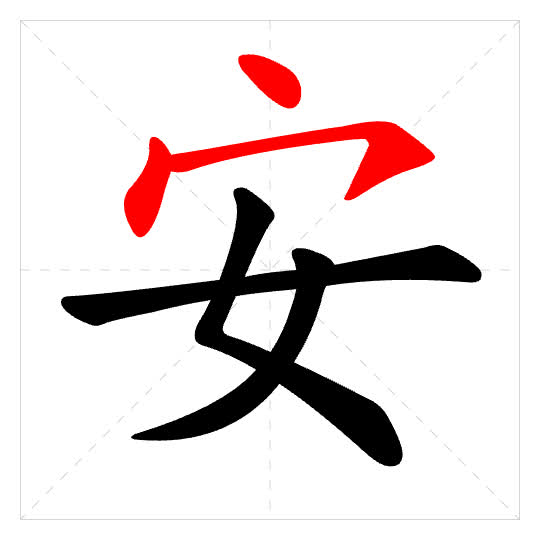
Basic Meaning
adj
As in 安全. Often used in contrast with 危 (dangerous).
safe; secure
安全,平安,跟“危”相对。
Words:
Synonyms:
宁
Sentences:
- 这个社区的治安很好,大家感觉很安。The public security in this community is very good; everyone feels safe.
- 注意安全,过马路前要先看车。Be safe, look for cars before crossing the street.
adj
Describes a peaceful, steady, and untroubled state.
calm; stable
平静,稳定。
Words:
安定安心安居乐业心神不安恬然自安
Synonyms:
宁
Antonyms:
Sentences:
- 听完解释后,他安下心来,不再担心了。After hearing the explanation, he calmed down and stopped worrying.
- 这里的生活很安定,人们过得很平静。Life here is very stable; people live peacefully.
v
A transitive verb meaning to make something stable or calm.
to pacify; to stabilize
使安定。
Words:
安民安神安国宁家安邦定国安民告示
Synonyms:
宁
Sentences:
- 政府的新政策有效地安定了民心。The government's new policy effectively stabilized public sentiment.
- 这杯热牛奶可以帮你安神,睡个好觉。This cup of warm milk can help soothe your nerves and let you sleep well.
adj
Describes a feeling of satisfaction, ease, or comfort with one's situation.
comfortable; content
感觉满足;舒适。
Words:
安乐安于现状安居乐业安逸安适
Sentences:
- 退休后,他在乡下过着安乐的晚年生活。After retiring, he lived a comfortable life in the countryside in his later years.
- 他太安于现状,不想改变工作。He is too content with the status quo and doesn't want to change jobs.
adj
Typically used in greetings or expressions about health and well-being.
healthy and well; safe and sound
安好;身体健康。
Words:
安然无恙安康
Sentences:
- 祝你全家安康,万事如意。I wish your whole family good health and that everything goes well.
- 听说他遇到车祸,但最后安然无恙,真是幸运。I heard he was in a car accident, but he ended up safe and sound. That was really lucky.
v
To put things or people in a proper or suitable place.
to arrange; to settle
使有合适的位置。
Words:
安顿安排安置安插安营扎寨
Sentences:
- 我先帮你安顿好住宿,再带你熟悉环境。Let me first get you settled with accommodation, then I'll show you around.
- 公司为他安排了新的职位。The company arranged a new position for him.
v
Refers to setting up equipment or fixtures.
to install; to fix
装置;设立。
Words:
安装安电话安电灯安门窗安放
Sentences:
- 师傅正在客厅里安新的空调。The technician is installing a new air conditioner in the living room.
- 我们上周刚安了宽带,网速快多了。We just had broadband installed last week, and the internet is much faster now.
v
Often used in a formal or sometimes negative context.
to apply (a label, title, accusation, etc.)
加上。
Words:
安头衔安罪名
Sentences:
- 请不要给我安上“天才”的头衔,我只是比较努力Please don't apply the title of 'genius' to me; I'm just hard-working.
- 你不能因为不喜欢他就给他安罪名。You can't pin a crime on him just because you don't like him.
v
Usually implies having a hidden, negative motive.
to harbor (ill intentions)
存着,怀着(多指不好的念头)。
Sentences:
- 我总觉得他安着坏心,所以一直提防他。I always feel he harbors ill intentions, so I've been wary of him.
- 他表面在帮忙,谁知道心里安了什么主意。He appears to be helping, but who knows what scheme he's harboring in his heart.
Writing & Component
Radical宀
Structuretop_bottom
Stroke Count6
Strokes丶丶㇇𡿨丿一