
议议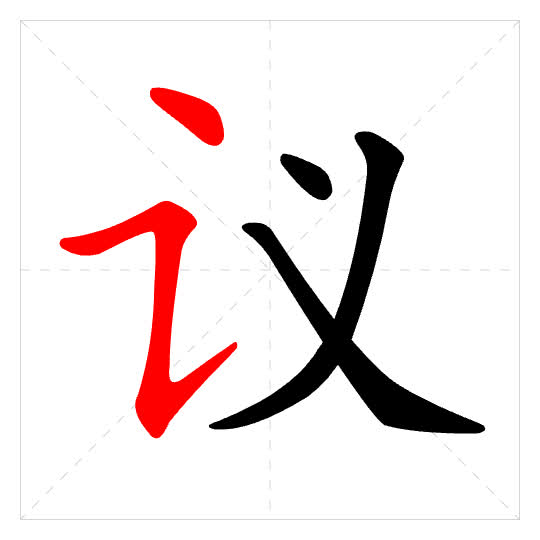
Basic Meaning
v
Often used in formal or group contexts, such as meetings or negotiations.
to discuss; to deliberate
商量,讨论。
Words:
Sentences:
- 我们需要开会商议这个计划。We need to hold a meeting to discuss this plan.
- 他们正在商议合作的事情。They are currently discussing the matter of cooperation.
n
Refers to a statement or idea put forward for consideration, commonly used in contexts like suggestions or advice.
opinion; proposal
表明意见的言论。
Words:
提议建议
Sentences:
- 他提出了一个很好的建议。He made a very good suggestion.
- 这个提议得到了大家的支持。This proposal received everyone's support.
v
Can imply public or informal discussion, sometimes with a critical or evaluative tone.
to comment on; to talk about
议论;评说。
Words:
无可非议物议热议非议议论
Sentences:
- 大家都在议论这件事。Everyone is talking about this matter.
- 他的行为引起了热议。His behavior sparked heated discussion.
n
Specifically refers to the highest legislative body in some countries, often used in political contexts.
parliament; legislative assembly
议会,某些国家的最高立法机关或权力机关。
Words:
议长议员议席议会议院
Sentences:
- 议会通过了新的法律。The parliament passed a new law.
- 他是这个国家的议员。He is a member of parliament in this country.
Writing & Component
Radical讠
Structureleft_right
Stroke Count5
Strokes丶㇊丶丿㇏