
西西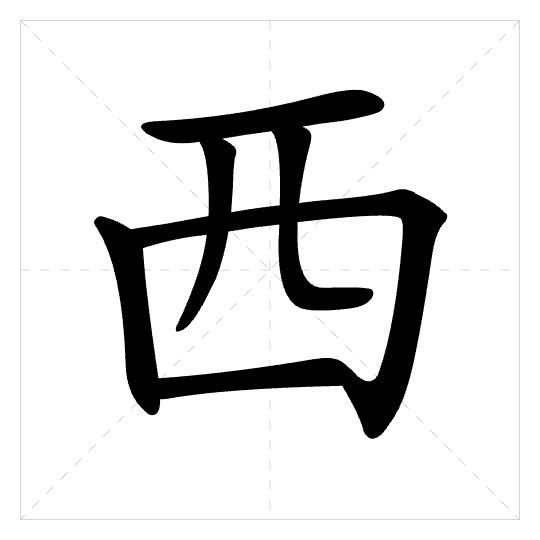
Basic Meaning
n
与“东”相对。常用于表示方位,如 东西南北。
west; the western direction
方位词。四个主要方向之一,太阳落下去的一边(跟“东”相对)。
Words:
东西南北日落西山坐东朝西夕阳西下西面
Antonyms:
Sentences:
- 我家住在大楼的西面,每天下午阳光很好。I live on the west side of the building, and the afternoon sun is very nice every day.
- 太阳从东边升起,从西边落下。The sun rises in the east and sets in the west.
- 在中国,新疆在西部。In China, Xinjiang is in the west.
n
作为修饰语,常与其他名词构成复合词,如 西餐、西服。
Western (related to Europe or America)
事物的样式或方法属于西方(多指欧、美两洲)的。
Sentences:
- 今天我们去吃西餐吧,比如意大利面。Let's go eat Western food today, like pasta.
- 他明天要去面试,所以穿了一套新西服。He has an interview tomorrow, so he wore a new Western-style suit.
- 这家面包店主要卖西点,像蛋糕和面包。This bakery mainly sells Western-style pastries, like cakes and bread.
n
主要用于委婉表达“死亡”或宗教语境中。如 归西、驾鹤西去。现代日常口语中较少使用。
the Western Pure Land (Buddhism); the underworld
指西方极乐世界;阴间。
Words:
归西撒手西去一命归西西乐
Sentences:
- 在小说里,那位老人最后是“驾鹤西去”了In the novel, that old man finally “rode the crane to the west” (passed away).
- 他奶奶去年冬天一命归西了。His grandmother passed away last winter.
Writing & Component
Radical覀
Structuresingle
Stroke Count6
Strokes一丨𠃍丿㇄一