
社社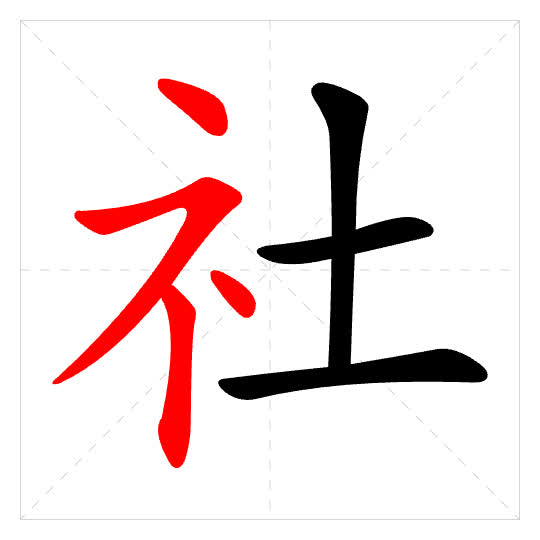
Basic Meaning
n
This sense is chiefly found in classical, historical, or literary contexts, such as in ancient festivals 春社 and 秋社.
(historical) the god of the land; or the place, day, or ritual for its worship.
古代把土地神和祭土地神的地方、日子、祭礼都叫社。
Words:
春社秋社社日社稷社火
Sentences:
- 在古代,人们会在社日这天祭祀土地神。In ancient times, people would worship the god of the land on the day of 社日 (She Ri).
- 社火是传统祭祀活动中非常热闹的表演。Shehuo festivals are very lively performances in traditional sacrificial activities.
n
Focuses on people coming together for a common purpose, often cultural, social, or economic activities. Distinguish from more service-oriented organizations in sense 3.
A collective organization formed for shared work or interests; society; association.
某些从事共同工作的集体性组织。
Words:
诗社公社合作社通讯社集会结社
Sentences:
- 我们大学有一个很活跃的诗社。Our university has a very active poetry society.
- 这个合作社帮助农民一起销售农产品。This cooperative helps farmers sell their agricultural products together.
n
Typically used as a suffix in business names (e.g., 旅行社, 出版社). It indicates a company or establishment providing a specific service.
A name for certain service-oriented institutions or businesses.
某些机构或服务性单位的名称。
Words:
报社茶社旅社杂志社旅行社
Sentences:
- 我在这家旅行社买了两张去上海的机票。I bought two plane tickets to Shanghai at this travel agency.
- 这家杂志社出版了很多有趣的儿童读物。This magazine publisher produces many interesting children's books.
Writing & Component
Radical礻
Structureleft_right
Stroke Count7
Strokes丶㇇丨丶一丨一