
忙忙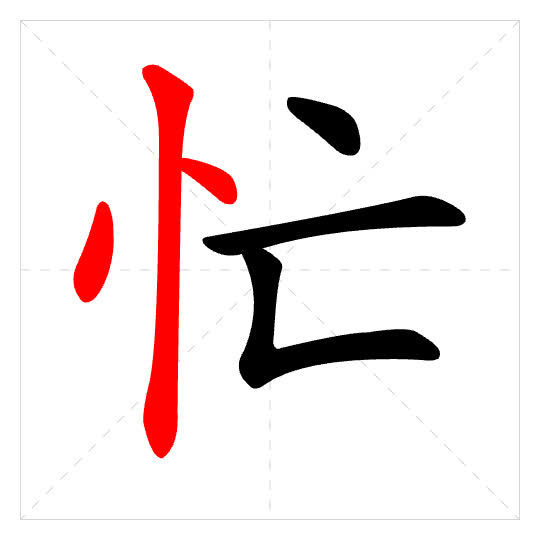
Basic Meaning
adj
Commonly used to describe a state of being occupied with many tasks. Often used with '很', '非常'.
busy; having many things to do (opposite of '闲').
事情多,不得空(跟“闲”相对)。
Words:
繁忙农忙忙里偷闲
Antonyms:
Sentences:
- 最近公司项目很多,他一直很忙。There are many projects at the company lately, so he's been very busy.
- 城市中心总是十分繁忙。The city center is always very busy.
v
Often used with a specific object or task, e.g., '忙工作', '忙做饭'. Can be reduplicated as '忙忙忙' or '忙个不停' to emphasize continuous action.
to busy oneself with; to be engaged in doing something urgently.
急迫不停地、加紧地做。
Words:
手忙脚乱穷忙
Sentences:
- 她正在厨房里忙着准备晚饭。She is busy in the kitchen preparing dinner.
- 别催他,他正在手忙脚乱地找钥匙呢。Don't rush him; he's flustered and looking for his keys.
adj
Usually found in compound words like 慌忙 and 急忙. Often describes a state of haste or urgency.
hurried; rushed; urgent.
急迫。
Words:
慌忙急忙不慌不忙
Sentences:
- 听到铃声,他慌忙跑出教室。Hearing the bell, he hurriedly ran out of the classroom.
n
Refers to a specific period of intensive activity, such as the farming season. Often used in compounds.
busy period; rush season.
繁忙的时间。
Words:
农忙忙里偷闲
Sentences:
- 春天是农民的农忙时节。Spring is the busy farming season for peasants.
- 即使在最忙的时候,他也会忙里偷闲看看书。Even during the busiest times, he manages to steal a little leisure to read.
Writing & Component
Radical忄
Structureleft_right
Stroke Count6
Strokes丶丶丨丶一㇄