
字字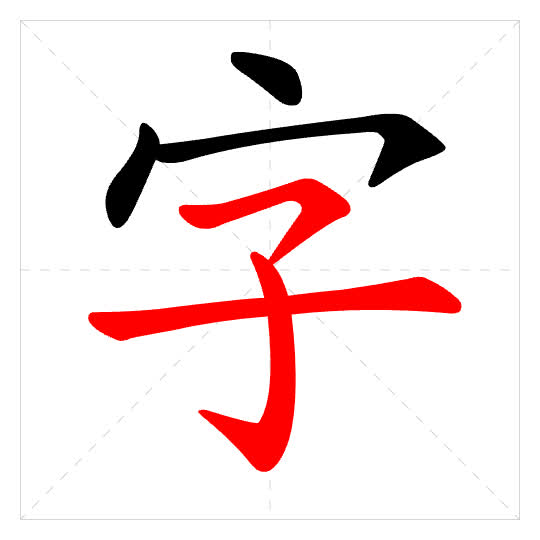
Basic Meaning
n
Refers to individual Chinese characters or written symbols in general.
character; written character; script
文字。
Words:
Sentences:
- 学习汉字很有趣Learning Chinese characters is very interesting.
- 这个字怎么写How do you write this character?
- 儿童需要先识字Children need to learn characters first.
n
Specifically refers to the sound or reading of a character.
pronunciation of a character
字音。
Words:
字正腔圆咬字儿字字清楚
Sentences:
- 他的发音字正腔圆His pronunciation is clear and melodious.
- 请把每个字都咬清楚Please enunciate each character clearly.
n
Refers to different stylistic forms of writing characters, such as cursive or seal script.
style of script; calligraphic style
字体。
Words:
篆字草字美术字颜字宋体字
Sentences:
- 他喜欢写草字He likes to write in cursive script.
- 这幅作品用的是美术字This piece uses artistic lettering.
n
Refers to pieces of artistic writing, often collected as art.
calligraphy work
书法作品。
Words:
字画字幅字轴
Sentences:
- 墙上挂着一幅字画A calligraphy and painting piece is hanging on the wall.
- 他收藏了很多名家的字He has collected many calligraphy works by famous masters.
n
Can refer to a single word or the choice of words in expression.
word; term; wording
字眼;词。
Words:
Sentences:
- 这个词的意思要查字典You need to look up the meaning of this word in the dictionary.
- 说话要注意字眼You need to pay attention to your wording when speaking.
n
Formal or legal context, refers to a written document as proof.
written contract; agreement
字据,合同,契约。
Words:
立字为据字契字约
Sentences:
- 我们立字为据吧Let's put it in writing as proof.
- 这份字契很重要This written contract is very important.
n
A traditional secondary name given in adulthood, derived from the meaning of the personal name.
style name; courtesy name
根据人名中的字义另取的别名叫“字”,又叫“表字”。
Words:
字讳
Sentences:
- 古代人既有名也有字Ancient people had both a personal name and a courtesy name.
n
Refers to a person's name, often in contexts like signing or addressing.
name (as in personal name)
指姓名。
Words:
Sentences:
- 请在这里签你的名字Please sign your name here.
Writing & Component
Radical子
Structuretop_bottom
Stroke Count6
Strokes丶丶㇇㇇亅一