
在在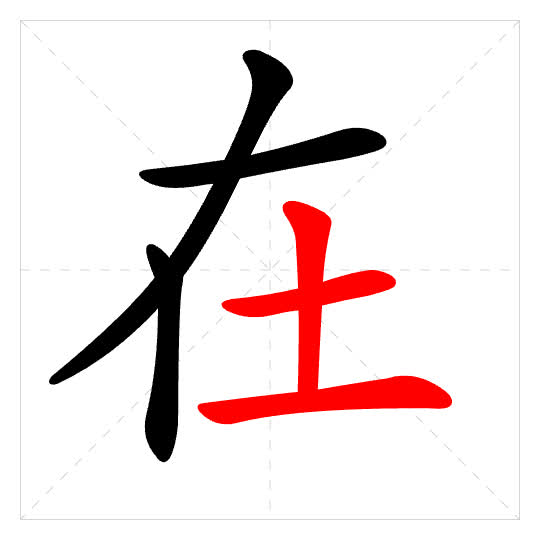
Basic Meaning
v
Often used in formal or philosophical contexts, e.g., 健在 means 'alive and well'.
to exist; to live
存在;生存。
Words:
健在留得青山在,不怕没柴烧精神永在
Sentences:
- 他的精神永远在我们心中。His spirit lives forever in our hearts.
- 这位老人依然健在。This old man is still alive and well.
v
Commonly used to indicate where someone or something is located, e.g., 在场 means 'present at the scene'.
to be at a location or position
(人或事物)处于某个地点或位置。
Words:
在位在职在场在厂在岗
Sentences:
- 他现在在办公室工作。He is currently working in the office.
- 很多人在场观看比赛。Many people were present watching the game.
v
Often used in phrases like 在职 (in office) or 在野 (out of power), indicating a status or role.
to stay; to be in a state
留在;处在。
Words:
在野在职在位
Sentences:
- 他已经在职十年了。He has been in office for ten years.
- 这位政治家目前在野。This politician is currently out of power.
v
Used to express that something relies on a factor, e.g., 事在人为 means 'success depends on human effort'.
to depend on
取决于。
Words:
事在人为贵在参与贵在坚持
Sentences:
- 成功贵在坚持。Success depends on persistence.
v
This structure emphasizes inevitability or determination, e.g., 在所难免 means 'unavoidable'.
used with 所 for emphasis, often followed by 不
“在”和“所”连用,表示强调,下面多连“不”。
Words:
在所难免在所不惜在所不辞在所不计
Sentences:
- 这个错误在所难免。This mistake is unavoidable.
- 为了目标,他在所不惜。For the goal, he spares no effort.
prep
Forms prepositional phrases with time, location, or other words, e.g., 在明年 means 'next year'.
preposition indicating time, place, scope, or condition
跟时间、处所、方位等词语组成介宾结构。1)表示事情或动作、行为发生的时间。2)表示动作、行为或存在的处所。3)表示范围或条件。4)表示行为的主体。
Words:
在明年
Sentences:
- 会议在明天举行。The meeting will be held tomorrow.
- 她在图书馆学习。She studies in the library.
- 在这个条件下,我们可以合作。Under this condition, we can cooperate.
adv
Often used with 正在 to indicate ongoing actions, e.g., 正在 means 'in the middle of'.
in the process of; currently
正在。
Words:
Sentences:
- 他正在吃饭。He is currently eating.
- 我们正在讨论这个问题。We are discussing this issue now.
Writing & Component
Radical土
Structuresemi_enclosed
Stroke Count6
Strokes一丿丨一丨一