
单单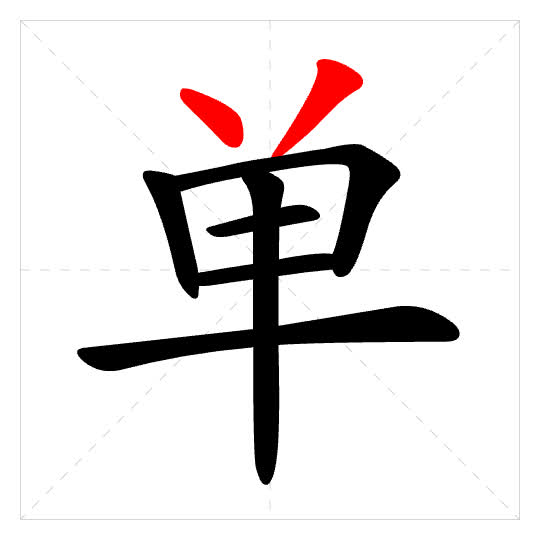
Basic Meaning
adj
Can describe situations, tasks, or lifestyles. '单纯' often describes a person's personality as simple or naive.
simple; uncomplicated; monotonous
项目、种类少;结构、头绪不复杂。
Words:
Sentences:
- 她的生活很单纯,每天就是看书和散步。Her life is very simple; every day she just reads books and takes walks.
- 这个游戏的规则太简单了,小朋友也能很快学会。The rules of this game are too simple; even young children can learn them quickly.
adv
Used to emphasize that one condition, factor, or action is not sufficient by itself. Often used with verbs like '凭', '说', '靠'.
only; merely
相当于“只”“仅”。
Words:
单凭单说
Sentences:
- 单凭外表无法真正了解一个人。You cannot truly understand a person based solely on their appearance.
adj
Used to specify numbers, days, or serial numbers, opposite to '双'. Example: 单号车只能在单日出行。
(attribute) odd-numbered
属性词。奇数的(1、3、5、7等,跟“双”相对)。
Words:
单日单号单数
Synonyms:
独
Sentences:
- 这栋大楼的单号房间在走廊的左边。The odd-numbered rooms in this building are on the left side of the hallway.
- 我们公司规定,车牌单号的汽车单日才能进入市区。Our company rule is that cars with odd-numbered license plates can only enter the city center on odd-numbered dates.
adj
Often used to describe physical strength, health, defenses, or social/financial resources. Usually negative or cautionary.
weak; thin; feeble
微弱;微薄。
Words:
单薄势单力薄势孤力单单弱
Synonyms:
薄弱
Sentences:
- 他穿得太单薄了,小心着凉。He's wearing clothes that are too thin; be careful not to catch a cold.
- 面对强大的对手,我们的力量显得有些势单力薄。Facing a powerful opponent, our strength seems a bit weak and insufficient.
adj
Specifically for clothing or fabrics, referring to items without a lining or inner layer, suitable for warm weather.
(attribute) single-layered; unlined
属性词。只有一层的(衣服等)。
Words:
单裤单衣单褂儿
Sentences:
- 夏天我只穿一件单衣出门。In summer, I only wear a single-layered shirt when going out.
n
A broad piece of cloth used for sleeping. Often combined with words for specific bedding items like 床, 被, 褥.
sheet (for bedding)
用来铺盖的只有一层的大幅布。
Words:
褥单床单被单
Sentences:
- 妈妈把洗干净的床单铺在了床上。Mom spread the clean sheet on the bed.
n
Refers to various paper records like menus, invoices, or name lists. Often appears as ~子 or ~儿 in speech.
list; form; bill; note
(~子、~儿)记载事物用的纸片。
Sentences:
- 服务员,请把菜单拿给我们看一下。Waiter, please bring us the menu to look at.
- 我去邮局取包裹需要出示提货单。I need to present the delivery note to pick up the package at the post office.
q
Used specifically to count transactions, contracts, or jobs, especially in business or sales contexts.
(measure word) for a business deal or order
用于签合同的生意。
Words:
一单生意几单
Sentences:
- 他们公司这个月已经签了好几单大生意。Their company has already closed several big deals this month.
q
A colloquial reading for '0' in numbers like phone numbers or years, similar to 'oh' in English. Example: 二单八 is read as 'two-oh-eight'.
(used between numbers) zero; oh
用在两个数之间,相当于“零”。
Sentences:
- 水泊梁山一共有一百单八位好汉。There were a total of 108 heroes at Liangshan Marsh.
adj
Describes a person or thing that is alone or separate from others, opposite to '双' or groups. Can describe rooms, actions, or people.
(attribute) single; solitary; individual
属性词。单个;一个(跟“双”相对)。
Words:
单间形单影只单干单独单枪匹马单个
Antonyms:
Sentences:
- 他一个人住在一个单间公寓里。He lives alone in a single-room apartment.
- 完成这个项目需要团队合作,单干是不行的。Completing this project requires teamwork; working alone is not feasible.
Writing & Component
Radical十
Structuresingle
Stroke Count8
Strokes丶丿丨𠃍一一一丨