
到到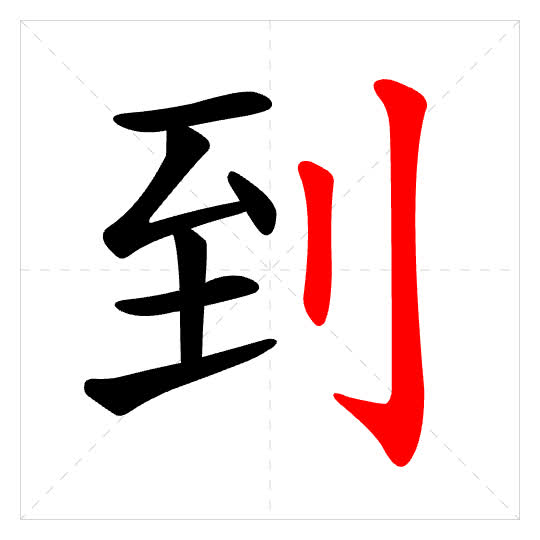
Basic Meaning
v
Commonly used for physical arrival or achieving a goal. Often paired with locations or targets.
to arrive; to reach
到达;达到。
Words:
到场到点到期到庭到职恰到好处水到渠成
Sentences:
- 我明天早上八点到公司。I will arrive at the company at 8 a.m. tomorrow.
- 他努力学习,终于达到了目标。He studied hard and finally reached his goal.
v
Indicates direction or destination, often used in questions or statements about movement.
to go to; to head to
往;去。
Words:
Synonyms:
Antonyms:
返回
Sentences:
- 你到哪儿去?Where are you going?
- 我们到处找,都没找到他。We looked everywhere but couldn't find him.
v
Used as a complement after verbs to show completion or achievement, e.g., 找到 means 'to have found'.
indicates the result of an action
表示动作有了结果。
Sentences:
- 我找到了我的钥匙。I have found my keys.
- 他说到做到,是个可靠的人。He does what he says, he's a reliable person.
adj
Often used in phrases like 周到 to describe careful attention to details.
thorough; considerate
周全;周到。
Words:
周到面面俱到不到不到之处
Sentences:
- 他的安排很周到。His arrangements are very thorough.
- 这个计划考虑得很周到。This plan is very well-considered.
v
Functions as a complement after verbs to specify duration, e.g., 工作到晚上 means 'work until night'.
indicates continuation of an action until a certain time
表示动作继续到什么时间(做动作的补语)。
Sentences:
- 他工作到很晚才回家。He worked until very late before going home.
- 我们聊天到半夜。We chatted until midnight.
Writing & Component
Radical刂
Structureleft_right
Stroke Count8
Strokes一𠃋丶一丨㇀丨亅