
音音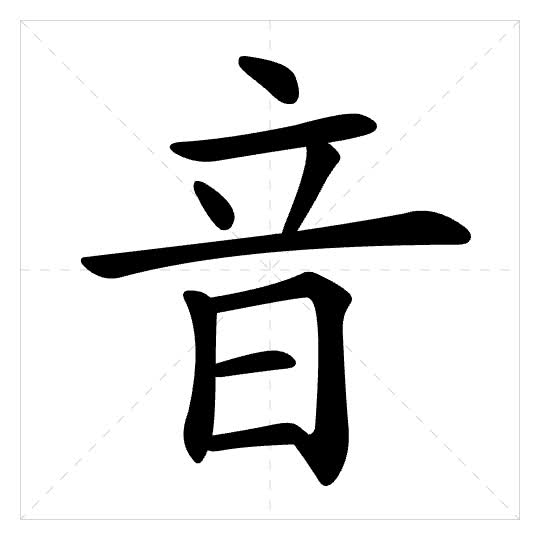
Basic Meaning
n
A very broad term for any audible phenomenon. It is the basic building block for many compound words related to sound, music, and language.
sound; voice; pronunciation.
声音;读音。
Words:
Sentences:
- 这个房间的隔音效果很好,听不到外面的杂音。This room has excellent soundproofing; you can't hear the noise from outside.
- 她说话带有北方口音。She speaks with a northern accent.
n
Used in literary or formal contexts to mean 'news' or 'message'. Often found in set phrases like 佳音 or 音信.
news; message; tidings.
消息。
Words:
佳音音信的音福音无信无音
Sentences:
- 他出国后一直杳无音信,家人非常担心。Since he went abroad, there has been no news from him, and his family is very worried.
- 请听到佳音后立刻通知我。Please notify me immediately when you hear good news.
n
A technical term in linguistics, where one Chinese character typically represents one syllable. Used in terms like 单音词 (monosyllabic word).
syllable (in linguistics).
指音节(一个汉字是一个音节)。
Words:
方音乡音单音词复音词多音词双音词
Sentences:
- 在汉语里,“人”是一个单音In Chinese, "人" is a monosyllabic word.
- 他的乡音很重,一听就知道是哪里人。He has a very strong local accent; you can tell where he's from as soon as you hear him speak.
Writing & Component
Radical音
Structuretop_bottom
Stroke Count9
Strokes丶一丶丿一丨𠃍一一