
闻闻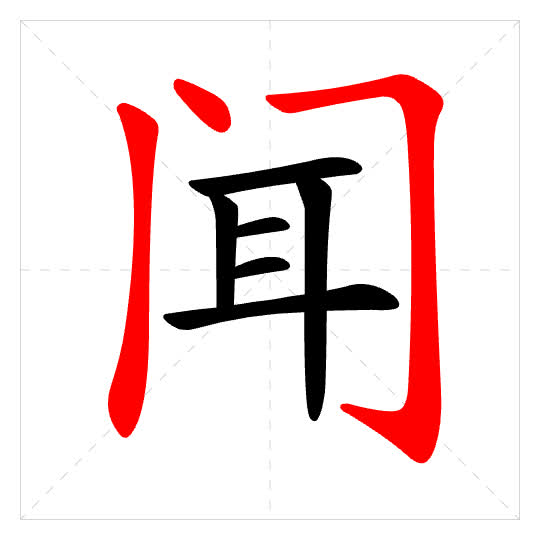
Basic Meaning
v
This sense is often used in literary or formal contexts, as seen in the anchor_words like 充耳不闻.
to hear (about something).
听见。
Words:
听而不闻充耳不闻耳闻目睹风闻久闻大名
Synonyms:
Sentences:
- 我听说过这件事,但并未亲耳听闻。I've heard about this matter, but I didn't hear it with my own ears.
- 他对批评充耳不闻,继续做自己的事。He turned a deaf ear to the criticism and kept doing his own thing.
n
Often used in compounds like 新闻 (xin1 wen2). It refers to tidings or reports.
news; information; what one hears or learns.
听见的事情,消息。
Words:
Sentences:
- 今天的新闻很有意思。Today's news is very interesting.
- 他的旅行见闻让我们大开眼界。His travel accounts broadened our horizons.
v
In modern daily speech, this is the common verb for 'to smell'. Do not confuse with sense 1.
to smell (with the nose).
用鼻子嗅气味。
Words:
闻到闻见不闻其香难闻闻味儿
Synonyms:
嗅
Sentences:
- 我闻到了饭菜的香味。I smelled the aroma of the food.
- 你闻闻看,牛奶是不是坏了?Smell this, is the milk spoiled?
Writing & Component
Radical门
Structuresemi_enclosed
Stroke Count9
Strokes丶丨𠃌一丨丨一一一