
见见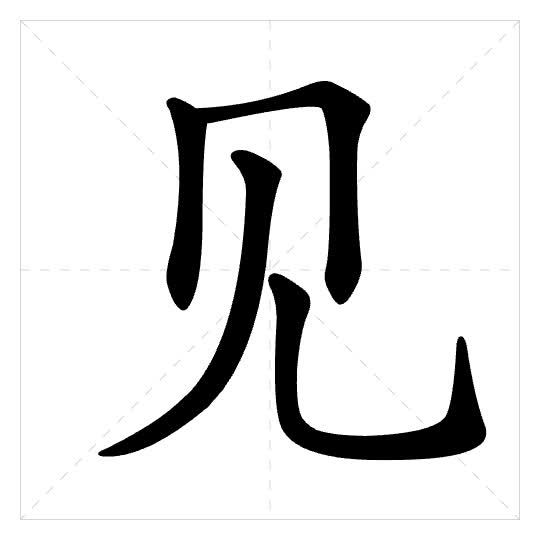
Basic Meaning
v
to see; to look at
看到。
Words:
Synonyms:
睹
Sentences:
- 我昨天在公园看见了一只小猫。I saw a little cat in the park yesterday.
- 百闻不如一见,这个地方真的很美。Seeing is believing; this place is really beautiful.
v
to encounter; to come into contact with
接触;遇到。
Words:
见习见光见热兵戎相见
Synonyms:
触碰
Sentences:
- 这种药怕见光。This medicine is sensitive to light.
- 冰见热就化。Ice melts when exposed to heat.
v
to show; to become apparent
看得出;显现出。
Words:
见效日见好转病已见好日久见人心见分晓
Sentences:
- 吃了药后,他的病情日见好转。After taking the medicine, his condition is showing daily improvement.
- 这个新方法很快就见效了。This new method quickly showed results.
v
formal or written usage
to appear (in text); to refer to
(文字等)出现在某处,可参考。
Words:
见上见下参见见后见附表
Sentences:
- 详细说明见附表。For detailed explanation, refer to the attached table.
- 这个词的定义见上。The definition of this word appears above.
v
to meet; to have a meeting
会见,会面。
Words:
Sentences:
- 我们约好明天在咖啡店见面。We agreed to meet at the coffee shop tomorrow.
- 总统将会见外国客人。The president will meet with foreign guests.
n
opinion; view
见解,对事物的看法。
Words:
见解远见高见固执己见成见
Sentences:
- 他对这个问题有独特的见解。He has a unique opinion on this issue.
v
grammatical particle-like usage
used after certain monosyllabic verbs to indicate perception (often related to senses like sight, hearing, or smell, with 'de' or 'bu' insertable)
用在某些单音节动词后,表示感觉到(多和视觉、听觉、嗅觉等有关,中间可插入“得”或“不”)。
Sentences:
- 我晚上经常梦见奇怪的事情。I often dream of strange things at night.
- 这里太吵了,我听不见你说话。It's too noisy here; I can't hear you speaking.
part
formal or literary usage
literary particle: ① used before a verb to indicate passive voice; ② used before a verb to indicate action towards the speaker
〈书〉结构助词。①用在动词前表示被动。②用在动词前表示对我怎么样。
Words:
见教见笑见谅见责见告
Sentences:
- 如有错误,请见谅。If there are any mistakes, please forgive me.
- 这是我的拙作,见笑了。This is my humble work; please excuse its poor quality.
Writing & Component
Radical见
Structuresingle
Stroke Count4
Strokes丨𠃍丿乚