
衫衫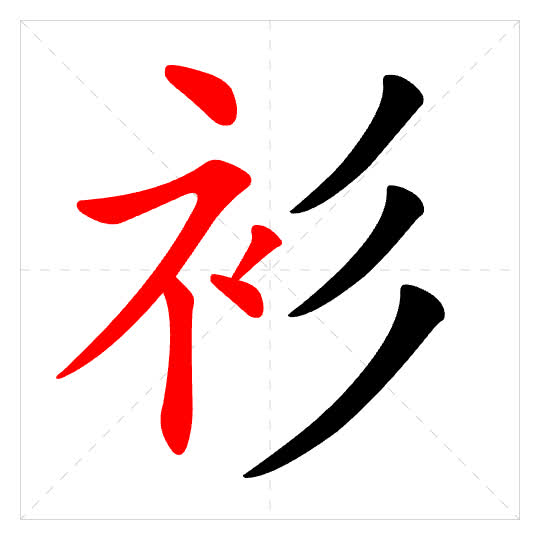
Basic Meaning
n
Often forms compound words specifying the type of garment, like 衬衫 (shirt), 汗衫 (T-shirt/undershirt).
top; upper garment (e.g., shirt, T-shirt, blouse).
上衣,单褂。
Words:
Sentences:
- 夏天我喜欢穿棉质的汗衫。In summer, I like to wear cotton T-shirts.
- 面试最好穿一件正式的衬衫。For an interview, it's best to wear a formal shirt.
- 这件文化衫的图案很有创意。The design on this graphic T-shirt is very creative.
n
When used alone, it usually means 'clothes' in a broad sense. In compounds like 衣衫, it often refers to a set or an outfit. More common in literary or descriptive contexts.
clothing; garment (in a more general sense).
泛指衣服。
Words:
衣衫长衫罩衫春秋衫花衫
Sentences:
- 他的衣衫被雨淋湿了。His clothes got wet from the rain.
- 出门时她加了一件薄薄的罩衫。She put on a thin over-shirt before going out.
Writing & Component
Radical衤
Structureleft_right
Stroke Count8
Strokes丶㇇丨丿丶丿丿丿