
色色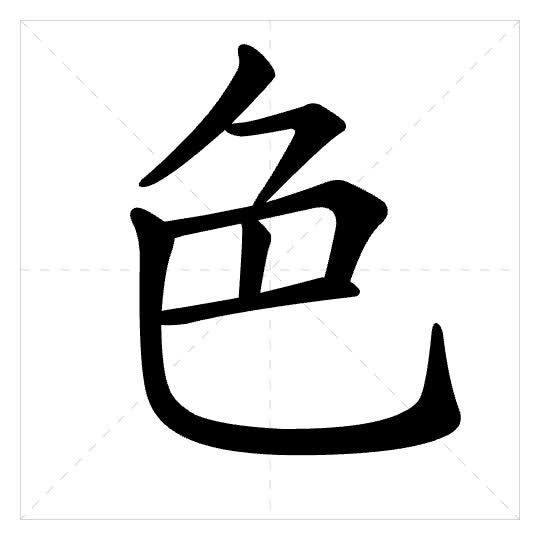
Basic Meaning
n
Refers to a visual impression produced by light. In everyday use, it often appears as a suffix in color names, e.g., 红色, 蓝色.
color
颜色,由物体发射、反射的光通过视觉而产生的印象。
Sentences:
- 她喜欢亮丽的色彩,比如红色和绿色。She likes bright colors, such as red and green.
- 这个调色板有十二种不同的颜色。This palette has twelve different colors.
n
Specifically refers to the expression or look on one's face. Often used in compound words like 脸色, 神色, 气色.
facial expression; complexion
脸色,脸上表现出的神情、样子。
Words:
和颜悦色喜形于色脸色面不改色气色
Sentences:
- 看到礼物后,他喜形于色。Upon seeing the gift, happiness showed on his face.
- 他的脸色不太好,是不是生病了?His complexion doesn't look good; is he sick?
n
Used to describe natural or atmospheric scenes, often in literary or descriptive contexts.
scenery; view
情景;景象。
Words:
暮色曙色春色月色景色
Sentences:
- 暮色中的城市格外美丽。The city is especially beautiful in the twilight.
- 公园里的春色让人心情愉快。The spring scenery in the park makes people feel happy.
n
Means 'kind' or 'sort', often used with words like 各, 花 to indicate diversity.
kind; variety; type
种类;品种。
Words:
各色各样货色各色货品花色齐全花色繁多
Sentences:
- 这家商店的货色很齐全。This store has a very complete variety of goods.
- 超市里有各色各样的水果。There are all kinds of fruits in the supermarket.
n
Specifically refers to the quality or purity of materials, especially metals like gold and silver. It's a formal or technical usage.
quality; fineness (of precious metals)
成色,品质,质量。
Words:
成色足色减色足色纹银
Sentences:
- 这块金条的成色很足。This gold bar is of very high purity.
n
Refers to sexual desire or eroticism. In modern Chinese, it's almost exclusively used in compound words (e.g., 色情, 好色). Using 色 alone in this sense is considered classical or formal.
lust; sexual desire
色欲。
Words:
色情色欲色胆贪色好色之徒
Sentences:
- 这部电影被列为色情片。This movie is classified as a pornographic film.
n
An old-fashioned or literary term specifically for a woman's beauty or looks.
a woman's beauty
指妇女的容貌。
Words:
姿色绝色女色色艺双绝
Sentences:
- 传说她年轻时姿色出众。It is said that she had remarkable beauty when she was young.
Writing & Component
Radical色
Structuretop_bottom
Stroke Count6
Strokes丿㇇𠃍丨一乚