
称称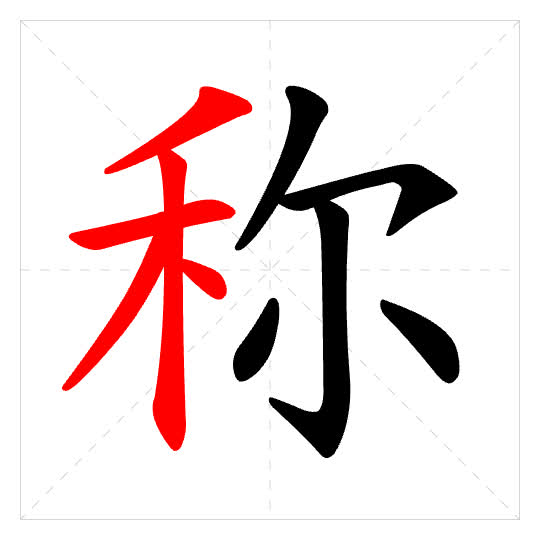
Basic Meaning
v
A very common verb used to refer to a person or thing by a particular name or title.
to call; to be called; to name.
叫,叫作。
Words:
自称称兄道弟称呼号称人称
Sentences:
- 大家通常都称呼他‘王老师’Everyone usually calls him 'Teacher Wang'.
- 这个地方自称‘美食之都’This place calls itself 'The Capital of Food'.
n
Often used in compound words to indicate a type of name, such as 简称 or 别称.
name; title; appellation.
名称,对人或事物的称呼。
Words:
别称俗称通称简称称号
Sentences:
- ‘沪’是上海市的简'Hu' is the abbreviated name for Shanghai City.
- 他的别称是‘万事通’His nickname is 'Know-it-all'.
v
Describes the act of making a statement about a state or feeling, often in set phrases like 连声称好.
to say; to state; to express.
说;述说。
Words:
称快称便连声称好称病拍手称快
Sentences:
- 她对新的工作时间安排连声称便。She kept saying how convenient the new work schedule was.
- 他今天称病没有来上班。He claimed to be sick and didn't come to work today.
v
to praise; to commend.
赞扬。
Words:
称叹称赏称赞称道称许
Sentences:
- 老师称赞他作业做得非常认真。The teacher praised him for doing his homework very diligently.
- 他的品格一直为人称道。His character has always been spoken of highly.
v
(v.) to weigh.
测定重量。
Words:
称重称一称称两斤
Sentences:
- 请帮我称两斤苹果。Please weigh two jin of apples for me.
- 她在超市称重量。She is weighing the produce at the supermarket.
Writing & Component
Radical禾
Structureleft_right
Stroke Count10
Strokes丿一丨丿丶丿㇇亅丿丶