
科科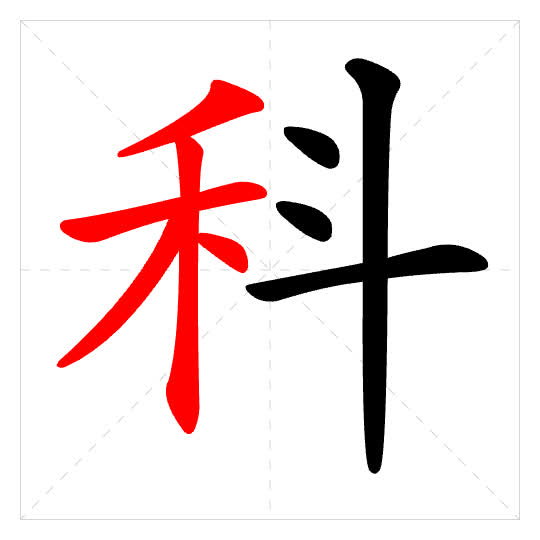
Basic Meaning
n
Commonly used in educational or professional contexts to classify subjects or fields.
academic, curricular, or business category
学术、课程或业务的类别。
Words:
科目文科理科妇科牙科
Sentences:
- 文科和理科的课程设置不同The curriculum for humanities and sciences is different.
n
Refers to functional units in government or corporate settings.
department or section within an organizational system (typically below a bureau and above a division)
机关组织系统中按业务职能划分的单位(级别一般比处低,比股高)。
Words:
秘书科财务科总务科人事科科长
Sentences:
- 他在公司的财务科工作He works in the company's finance department.
- 人事科负责招聘新员工The personnel department is responsible for hiring new employees.
n
Historical term; used in contexts related to traditional Chinese education and bureaucracy.
imperial examination system in ancient China, including its grades, subjects, and years
古代指科举考试及其等第、科目、年份等。
Words:
科场登科开科取士五子登科父子同科
Sentences:
- 古代科举考试是选拔官员的重要方式The imperial examination system in ancient times was an important method for selecting officials.
- 他梦想登科,成为状元He dreamed of passing the imperial exam and becoming the top scholar.
n
Technical term in biology; examples include plant and animal families.
family in biological taxonomy (a rank below order and above genus)
生物学中把同一目的生物按照彼此相似的特征分为若干群,每一群叫一科,如松柏目分为松科、杉科、柏科等,鸡形目分为雉科、松鸡科等。科以下为属。
Words:
松科柏科雉科松鸡科猫科
Sentences:
- 松科植物包括松树和冷杉The pine family includes pine trees and firs.
- 猫科动物有狮子和老虎The cat family includes lions and tigers.
n
Literary or formal usage; often found in classical texts or idioms.
legal provisions or statutes
〈文〉法律条文。
Words:
金科玉律作奸犯科科文金科成科
Synonyms:
Sentences:
- 金科玉律是必须遵守的规则Golden rules are rules that must be followed.
- 作奸犯科会受到法律惩罚Committing crimes will be punished by law.
v
Formal or legal context; typically used in judicial or administrative language.
to levy taxes or impose penalties
征税或判定刑罚。
Words:
科罪科刑科以罚金科税科以徒刑
Sentences:
- 法院科以罚金,因为他违反了规定The court imposed a fine because he violated the regulations.
- 政府有权科税来增加收入The government has the authority to levy taxes to increase revenue.
n
Refers to specialized training programs in Chinese opera.
traditional opera training school or class
科班。
Words:
坐科出科坐科班出科班科班
Sentences:
- 科班出身的演员基本功很扎实Actors who graduate from training schools have very solid basic skills.
n
Often used in legal contexts to refer to prior convictions or penalties.
criminal punishment or penalty
刑罚。
Words:
前科
Sentences:
- 他有前科,所以找工作很困难He has a criminal record, so it's difficult for him to find a job.
- 前科会影响个人的社会信用A criminal record can affect an individual's social credit.
Writing & Component
Radical禾
Structureleft_right
Stroke Count9
Strokes丿一丨丿丶丶丶一丨