
用用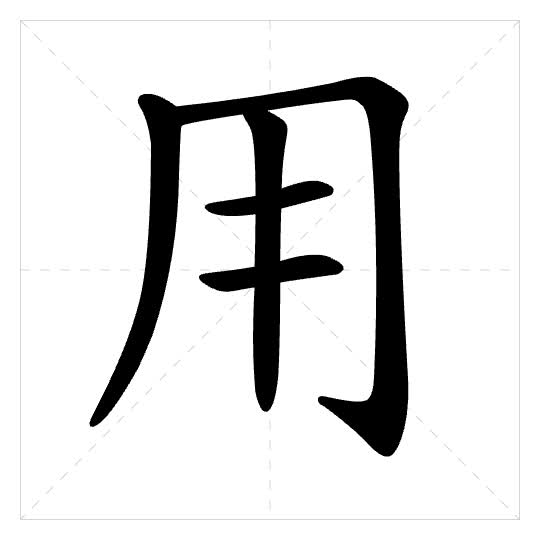
Basic Meaning
v
Common verb for using objects, tools, or methods.
to use
使用。
Words:
用力用兵耐用引用
Sentences:
- 我用手机看新闻I use my phone to read news.
- 这个工具很耐用This tool is very durable.
n
Refers to money spent, often in financial contexts.
expense; cost
费用,花费的钱财。
Words:
费用用项家用零用用度
Sentences:
- 这个月的家用有点高This month's household expenses are a bit high.
- 我需要节省零用钱I need to save my pocket money.
n
Describes the practical value or function of something.
effectiveness; utility
物质使用的效果。
Words:
效用功用有用之材物尽其用利用
Sentences:
- 这本书的效用很大This book has great utility.
- 我们要物尽其用We should make the best use of things.
v
Used with 不 or in questions, e.g., 不用 means 'no need'.
to need (often in negative or rhetorical contexts)
需要(多用于否定或反问)。
Words:
不用用不着
Sentences:
- 你不用来了You don't need to come.
- 这件事用不着担心There's no need to worry about this matter.
v
Formal expressions for meals, e.g., 用餐 is polite for 'to dine'.
to eat or drink (polite/formal)
吃、喝(多含恭敬意)。
Words:
用茶用饭用餐用膳
Sentences:
- 请用茶Please have some tea.
- 我们中午一起用餐吧Let's have lunch together.
prep
Preposition indicating the tool or method for an action.
with; by means of
引进动作、行为所凭借的工具、手段等。
Sentences:
- 我用中文写信I write letters in Chinese.
- 他用电脑工作He works with a computer.
Writing & Component
Radical用
Structuresingle
Stroke Count5
Strokes丿𠃌一一丨