
物物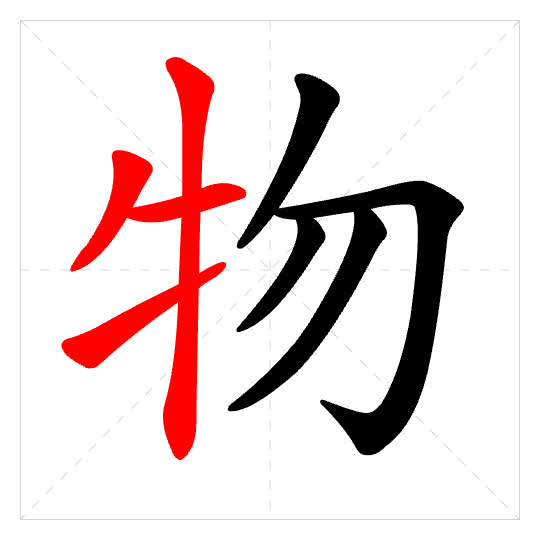
Basic Meaning
n
A general term for physical or abstract things, often used in everyday contexts.
thing; object; matter
东西;事物。
Words:
Sentences:
- 这个商店的物价很合理。The prices of goods in this store are very reasonable.
- 她喜欢买物美价廉的东西。She likes to buy things that are good quality and inexpensive.
n
Used in formal or literary contexts to denote things outside oneself, such as public opinion or social surroundings.
other people or the external environment; often refers to the public or society
“我”以外的人或环境,多指众人。
Words:
不以物喜待人接物物我两忘物议横遭物议
Sentences:
- 他不以物喜,不以己悲。He does not rejoice over external things nor grieve over personal matters.
- 她待人接物很有礼貌。She is very polite in dealing with people and things.
n
Refers to the meaningful or substantial part of something, often in discussions about writing or speech.
content; substance; essence
内容;实质。
Words:
言之有物空洞无物
Sentences:
- 他的演讲言之有物,很受欢迎。His speech has substantial content and is very popular.
- 这篇文章空洞无物,没什么意思。This article is empty and lacks substance, it's not interesting.
n
Typically refers to goods or resources produced from land or nature, used in economic or geographical contexts.
product; produce; natural resources
物产。
Words:
地大物博物产名物
Sentences:
- 中国地大物博,资源丰富。China has a vast territory and abundant natural resources.
- 这个地区的物产很丰富。The produce of this region is very abundant.
n
Specifically denotes animals or biological entities, often in scientific or general contexts.
animal; living creature
动物。
Words:
Sentences:
- 狗是一种可爱的动物。Dogs are a kind of lovely animal.
- 人为万物之灵。Humans are the most intelligent of all living creatures.
n
A legal term referring to tangible or intangible assets that can be owned or transferred.
property; object in legal terms, including means of production and means of subsistence
法律上指权利客体之一,含生产资料和生活资料。
Sentences:
- 在法律上,财产包括各种物。In law, property includes various objects.
- 生产资料和生活资料都是重要的物。Means of production and means of subsistence are both important property.
n
Used as a suffix to create compound nouns that classify things broadly, e.g., 货物 (goods), 景物 (scenery).
suffix attached to nouns to form new nouns indicating a larger category of things
附于名词后构成新名词,表示事物的较大类别。
Words:
货物景物块状物
Sentences:
- 港口有很多货物。There are many goods at the port.
- 这里的景物很美。The scenery here is very beautiful.
n
Used as a suffix to derive nouns from verbs, e.g., 产物 (product), 读物 (reading material).
suffix attached to verbs to form nouns
附于动词后构成名词。
Words:
产物饰物读物化合物
Sentences:
- 这本书是很好的读物。This book is good reading material.
- 水是重要的化合物。Water is an important compound.
n
Used as a suffix to create nouns from adjectives, e.g., 宝物 (treasure), 废物 (waste).
suffix attached to adjectives to form nouns
附于形容词后构成名词。
Words:
宝物旧物废物怪物静物
Sentences:
- 这个旧物很有纪念意义。This old object has great commemorative significance.
- 不要乱扔废物。Don't litter waste.
Writing & Component
Radical牜
Structureleft_right
Stroke Count8
Strokes丿一丨㇀丿𠃌丿丿