
牙牙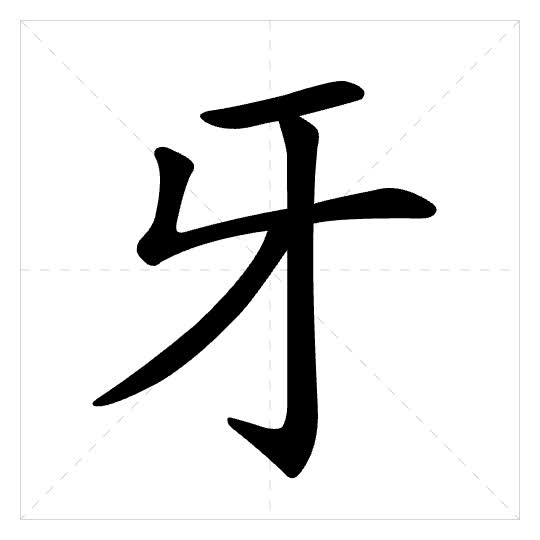
Basic Meaning
n
Refers to the organs for biting and chewing in humans and higher animals. In common usage, it's often called 牙齿.
tooth; teeth
人和高等动物咬切、咀嚼食物的器官,由坚固的骨组织和釉质构成。人的牙按部位和形状的不同,分为切牙、尖牙、前磨牙、磨牙。通称牙齿,也叫齿。
Words:
牙床门牙牙齿尖牙磨牙
Synonyms:
齿
Sentences:
- 我的门牙有点疼。My front tooth hurts a bit.
- 她每天刷牙两次。She brushes her teeth twice a day.
- 这个孩子正在长新牙。This child is growing new teeth.
n
Specifically refers to elephant tusks, used in contexts like art or traditional crafts.
ivory
特指象牙。
Words:
牙雕牙章牙筷
Sentences:
- 这个牙雕非常精美。This ivory carving is very exquisite.
- 他收藏了一些牙章。He collects some ivory seals.
n
Used for things shaped like teeth, such as gears or edges. Often appears in compound words like 牙子.
tooth-like object
(~子)形状像牙齿的东西。
Words:
牙轮马路牙子牙子
Sentences:
- 自行车的牙轮坏了。The bicycle's gear is broken.
- 小心别碰到马路牙子。Be careful not to hit the curb.
n
Historical term for intermediaries in trade who profited from deals, now less common in modern usage.
broker; middleman
旧社会介绍买卖从中取利的人。
Words:
牙行牙商牙子牙侩牙婆
Sentences:
- 在古代,牙商在市场上很常见。In ancient times, brokers were very common in the market.
- 这个故事里提到了一个牙婆。This story mentions a female broker.
Writing & Component
Radical牙
Structuresingle
Stroke Count4
Strokes一㇄亅丿