
熟熟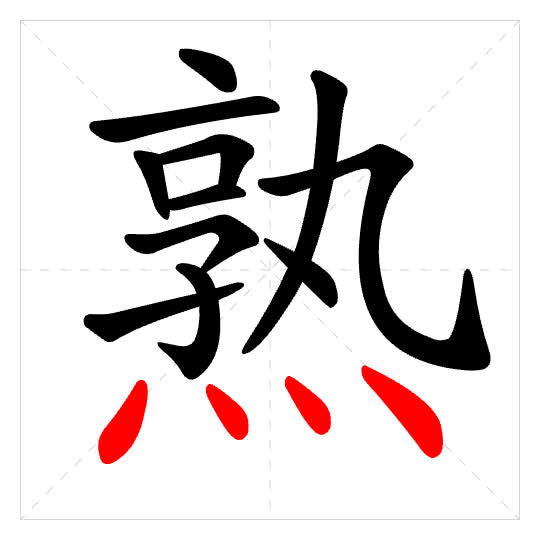
Basic Meaning
n
Used to describe the growth state of plants, fruits, and grains. The opposite is '生'.
(of fruit, crops, etc.) to ripen fully; mature (as opposed to '生').
植物的果实等完全长成(跟“生”相对)。
Words:
生熟上熟
Antonyms:
Sentences:
- 这些芒果已经熟了,可以摘下来吃了。These mangoes are ripe now; we can pick and eat them.
- 田里的稻子还没熟,要再等半个月。The rice in the field isn't ripe yet; we need to wait another half month.
adj
Refers specifically to food after heating. Often used to describe a finished state of food preparation.
(of food) cooked; done (as opposed to '生').
食物加热到可以吃的程度(跟“生”相对)。
Words:
熟菜熟食熟肉生米熟饭
Antonyms:
Sentences:
- 小心,牛排已经熟了,现在吃正好。Be careful, the steak is done; it's perfect to eat now.
- 我喜欢吃熟菜,不太习惯吃生的。I prefer cooked vegetables; I'm not used to eating raw ones.
adj
Used to describe materials such as leather or metal that have been processed. The opposite is '生铁' (pig iron) or '生皮' (raw hide).
processed or treated (as opposed to '生').
经过加工或治理(跟“生”相对)。
Words:
熟皮子熟铁
Antonyms:
Sentences:
- 这种包是用熟皮子做的,非常柔软耐用。This bag is made of tanned leather; it's very soft and durable.
adj
Describes knowing a person, place, or piece of knowledge well. Often used in phrases like '熟人' and '不熟'. The opposite is '生'.
familiar; well-acquainted.
熟悉;因常见或常用而清楚地知道(跟“生”相对)。
Words:
熟人人生地不熟熟视无睹背熟不熟
Antonyms:
Sentences:
- 他是我的熟人,我们经常见面。He is an acquaintance of mine; we meet often.
- 我对这条街不太熟,你能告诉我怎么走吗?I'm not very familiar with this street; can you tell me how to get there?
adj
Describes a high level of skill or expertise gained through practice, as in '熟能生巧' (practice makes perfect).
skilled; proficient; experienced.
熟练,对某种工作精通而有经验。
Words:
熟手熟能生巧纯熟练熟烂熟于胸
Sentences:
- 开车是个技术活,开得越久就越熟。Driving is a skill; the longer you do it, the more skilled you become.
adv
An adverbial usage indicating that an action or state is intense or thorough, as in '熟睡' (sleep soundly).
deeply; thoroughly (as an adverb).
程度深。
Words:
深思熟虑熟睡
Antonyms:
浅
Sentences:
- 他昨晚睡得很熟,闹钟响了都没醒。He slept very soundly last night; he didn't wake up even when the alarm went off.
- 这个问题需要深思熟虑才能决定。This issue requires careful and thorough consideration before a decision can be made.
Writing & Component
Radical灬
Structuretop_bottom
Stroke Count15
Strokes丶一丨𠃍一㇇亅㇀丿㇈丶丶丶丶丶