
烟烟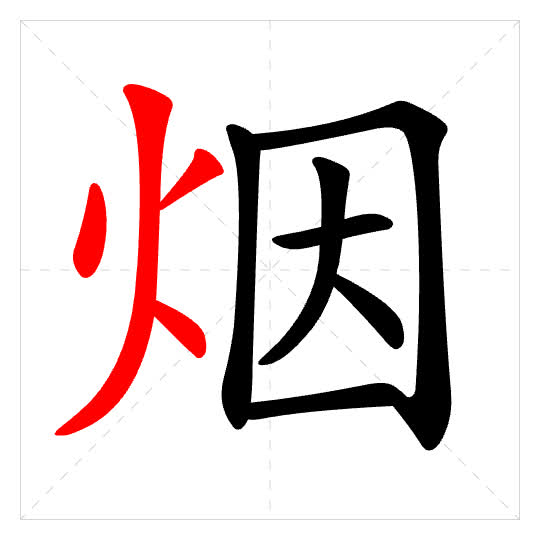
Basic Meaning
n
In modern spoken Chinese, 烟 refers to visible smoke from a fire or combustion.
Smoke; smoke (from burning substances)
(~儿)物质燃烧时所产生的混有残余颗粒的气体。
Words:
炊烟冒烟烟熏火燎烟筒烟火
Sentences:
- 厨房里正在冒烟Smoke is coming out of the kitchen.
- 火灾现场烟熏火燎,看不清东The fire scene was smoky and scorching, making it impossible to see clearly.
n
Often used in literary or scenic descriptions, e.g., 烟雾 (mist), 烟霞 (haze and rosy clouds).
Something resembling smoke (like mist, haze)
像烟的东西。
Words:
烟雾烟霞烟波
Sentences:
- 清晨湖面笼罩着淡淡的烟雾In the early morning, the lake surface is shrouded in a faint mist.
n
Refers specifically to the agricultural product. For example, 烟农 means tobacco farmer.
Tobacco (the plant)
烟草,草本植物,叶大有茸毛,可以制香烟和农业上的杀虫剂等。
Words:
烟草烟叶烤烟烟农种烟
Sentences:
- 这片土地非常适合种烟This land is very suitable for growing tobacco.
- 他是一个烟农,主要种植烤烟He is a tobacco farmer, mainly growing cured tobacco.
n
The most common daily usage for '烟'. For example, '买一包烟' means 'buy a pack of cigarettes'.
Cigarettes, tobacco products (as merchandise)
纸烟、烟丝等的统称。
Words:
纸烟香烟旱烟烟瘾卷烟
Sentences:
- 他戒烟了,不再碰任何香烟He quit smoking and no longer touches any cigarettes.
- 这家商店卖各种牌子的纸烟This store sells various brands of cigarettes.
n
An older, specific term, mostly found in historical contexts. The compound 大烟 is a direct synonym for opium.
Opium
大烟;鸦片。
Words:
禁烟烟土烟膏
Sentences:
- 历史上,禁烟运动打击了鸦片贸易Historically, the anti-opium movement struck against opium trade.
Writing & Component
Radical火
Structureleft_right
Stroke Count10
Strokes丶丿丿丶丨𠃍一丿丶一