
气气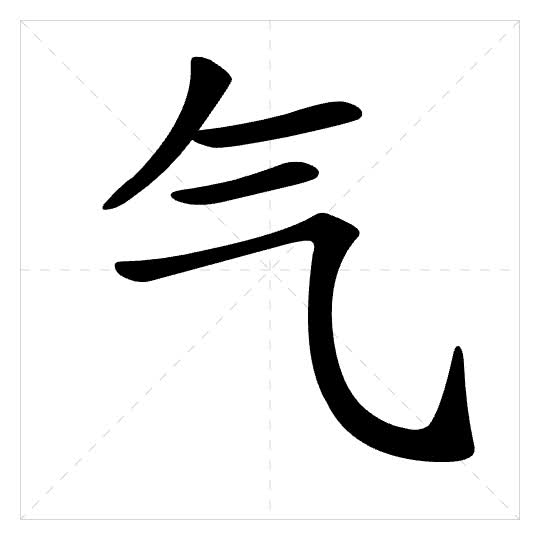
Basic Meaning
n
gas; a substance without fixed shape or volume that can spread freely.
没有一定的形状、体积,能自由散布的物体。
Words:
Sentences:
- 厨房里有煤气的味道。There is a smell of gas in the kitchen.
- 空气污染是一个严重的问题。Air pollution is a serious problem.
n
often used with '儿' in colloquial speech, e.g., '没气儿'.
breath; respiration.
(–儿)气息,呼吸。
Words:
气厥气促气息一气呵成没气儿
Sentences:
- 他跑得太快,现在没气儿了。He ran too fast and is now out of breath.
- 深呼吸可以帮助你放松气息。Deep breathing can help you relax your breath.
n
weather; atmospheric phenomena in nature.
自然界中的冷暖阴热现象。
Words:
Sentences:
- 今天的天气很好。The weather is very good today.
- 气象预报说明天会下雨。The weather forecast says it will rain tomorrow.
n
smell; odor perceived by the nose.
鼻子闻到的味。
Words:
气味臭气香气腥气膻气
Sentences:
- 这种花有淡淡的香气。This flower has a light fragrance.
- 垃圾堆发出难闻的臭气。The garbage pile emits an unpleasant odor.
n
spirit; mental state of a person.
人的精神状态。
Words:
气节勇气气魄气派气势
Sentences:
- 他很有勇气面对困难。He has great courage to face difficulties.
- 她的气魄让人佩服。Her bold spirit is admirable.
v
often used in contexts involving irritation or provocation.
to anger; to make angry.
怒,使发怒。
Words:
气恼气愤气人气冲冲
Sentences:
- 他的话让我很气人。His words make me very angry.
- 别气恼,事情会解决的。Don't get angry; things will be resolved.
v
commonly used in phrases like '受气' to mean being bullied.
to bully; to oppress.
欺负;欺压。
Words:
受气
Sentences:
- 他在学校经常受气。He often gets bullied at school.
n
specific to traditional Chinese medicine concepts.
qi (in traditional Chinese medicine); the vital energy that enables bodily functions.
中医指能使人体器官发挥机能的动力。
Words:
元气气虚气功气血
Sentences:
- 练习气功可以增强元气。Practicing qigong can strengthen vital energy.
n
specific to traditional Chinese medicine, often referring to disease manifestations.
symptom or condition in traditional Chinese medicine.
中医指一些病的病象。
Words:
痰气湿气脚气肝气
Sentences:
- 中医说他湿气重。The traditional Chinese medicine doctor says he has excessive dampness.
n
often used in formal or literary contexts.
fate; destiny.
命;命运。
Words:
气数福气
Sentences:
- 他的福气很好,总是很幸运。He has good fortune and is always lucky.
n
often used to describe personal traits or habits.
manner; habitual behavior or style.
作风;习气。
Words:
娇气俗气小气傲气书生气
Sentences:
- 她有点娇气,不喜欢吃苦。She is a bit spoiled and doesn't like hardship.
- 他的小气让人不舒服。His stinginess makes people uncomfortable.
n
anger; emotional state of being angry.
愤怒的情绪。
Words:
Sentences:
- 别生气,冷静一下。Don't get angry; calm down a bit.
- 他正在消气,别打扰他。He is cooling off his anger; don't disturb him.
Writing & Component
Radical气
Structuresingle
Stroke Count4
Strokes丿一一㇈