
尝尝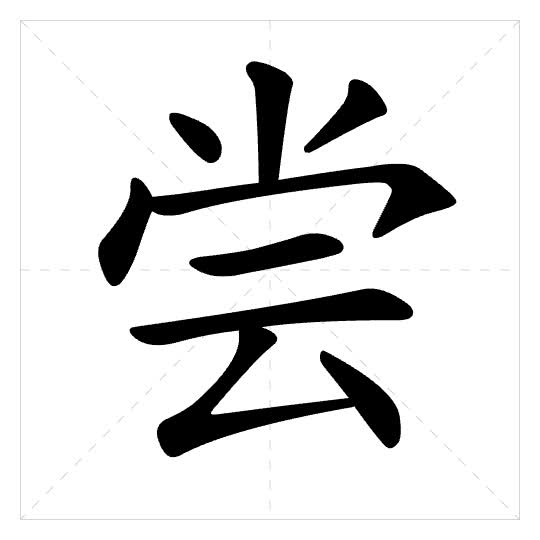
Basic Meaning
v
Often used for tasting to check flavor, e.g., when cooking. Can be used with reduplication: 尝一尝.
to taste; to try (a small amount of food)
稍微吃一点儿,辨别味道。
Words:
品尝尝咸淡卧薪尝胆尝一尝尝鲜
Sentences:
- 你能帮我尝一下这个汤的咸淡吗?Can you help me taste this soup to see if it's salty enough?
- 我第一次尝到这种水果,味道很特别。I tasted this kind of fruit for the first time; the flavor is very unique.
v
Used for experiencing abstract things like hardships or benefits. Often used with the particle 到.
to experience; to go through
经历;体验;感受。
Words:
备尝艰苦艰苦备尝尝到尝受尝到甜头
Sentences:
- 他在创业过程中备尝艰苦。He experienced all kinds of hardships during the process of starting his business.
- 努力学习后,他终于尝到了成功的甜头。After studying hard, he finally got a taste of success.
adv
Found in classical or formal modern writing. Often used in patterns like 未尝 (have never) or 何尝 (how could... ever...).
(literary) once; ever (indicating past experience)
〈文〉〈书〉表示情况在以前发生过,相当于“曾经”。
Words:
未尝何尝未尝体验不尝
Synonyms:
Sentences:
- 我未尝体验过这种高级的服务。I have never experienced this kind of high-end service.
- 他何尝不想和家人一起去旅行呢?How could he not want to travel with his family? (Implying he really does want to.)
- 他未尝体验过这种孤独。He has never experienced this kind of loneliness.
- 我何尝不想早点回家呢?How could I not want to go home early? (I really do want to.)
Writing & Component
Radical小
Structuretop_bottom
Stroke Count9
Strokes丨丶丿丶㇇一一𠃋丶