
呢呢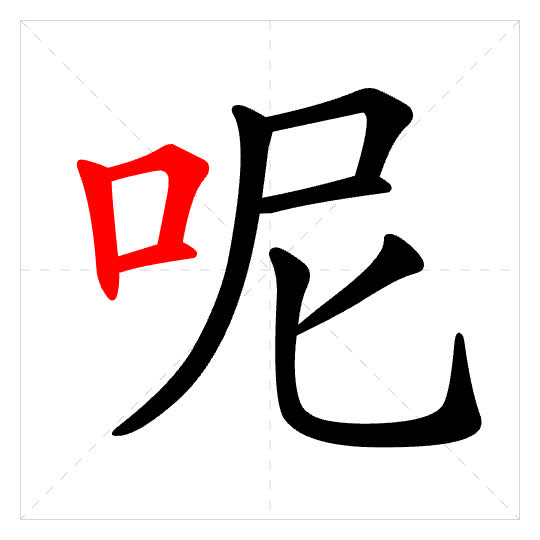
Basic Meaning
part
Common in spoken Chinese to soften questions or seek confirmation.
Used at the end of a question (specific, alternative, or yes-no question) to add a tone of reminder or probing.
用在疑问句(特指问、选择问、正反问)的末尾,表示提醒和深究的语气。
Sentences:
- 你喜欢咖啡还是茶呢Do you like coffee or tea?
- 你去哪儿Where are you going?
- 他是不是老师呢Is he a teacher or not?
part
Often implies emphasis or a sense of obviousness.
Used at the end of a statement to confirm a fact, often with an exaggerated tone to persuade the listener.
用在陈述句的末尾,表示确认事实,使对方信服(多含夸张的语气)。
Sentences:
- 晚场电影八点才开呢。The evening movie doesn't start until 8 PM.
- 这个电影可好看呢This movie is really good, I tell you!
part
Similar to English present continuous, but as a sentence-final particle.
Used at the end of a statement to indicate an action is in progress.
表示动作正在进行,用在陈述句的末尾。
Sentences:
- 他在吃饭呢He is eating.
- 我们正在学习中文呢We are studying Chinese.
part
Helps structure lists or comparisons in speech.
Used in a pause within a sentence to indicate listing or contrasting items.
用在句中停顿的地方,表示列举或对举。
Sentences:
- 喜欢呢,就买下;不喜欢呢,就别买。If you like it, buy it; if you don't, don't buy it.
- 他呢,很聪明;她呢,很努力He is very smart; she is very hardworking.
Writing & Component
Radical口
Structureleft_right
Stroke Count8
Strokes丨𠃍一𠃍一丿丿乚