
员员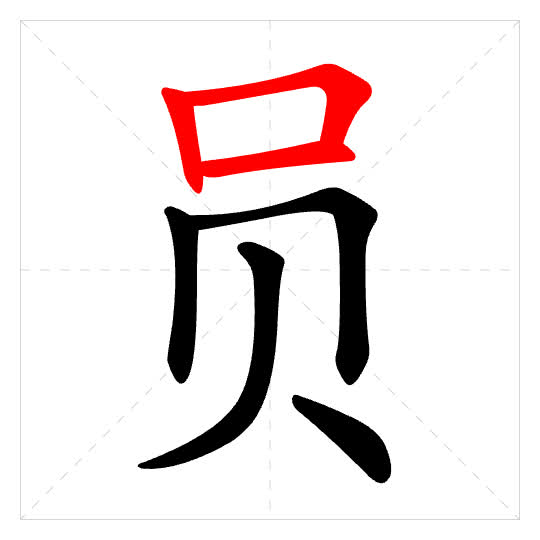
Basic Meaning
n
A suffix forming nouns for people based on their occupation or role. It is very common, as in 服务员, 学员.
a person engaged in a certain job or study
指工作或学习的人。
Words:
Sentences:
- 她是一名优秀的银行雇员。She is an excellent bank employee.
- 这位学员学习非常努力。This student/trainee studies very hard.
n
A suffix forming nouns for members of specific groups, such as political parties, clubs, or teams.
a member of a group or organization
指团体组织中的成员。
Words:
党员团员会员队员社员
Sentences:
- 他是我们公司的正式会员。He is a formal member of our company's club.
- 我们篮球队又增加了一名新队员。Our basketball team has added a new member.
n
This sense is classical and is now rarely used independently. It primarily appears in certain fixed words like 幅员 (territorial area) or 员方, which is archaic.
periphery; surrounding area
周围。
Words:
幅员员方
Sentences:
- 这个国家的幅员十分辽阔。This country has a vast territorial area.
q
This is a classical measure word, typically used in historical or literary contexts to describe capable military commanders. It sounds formal and is not used in daily conversation.
measure word for military officers or valiant figures
用于武将等。
Words:
一员猛将一员虎将一员大将
Sentences:
- 故事里,他是一员勇猛的将军。In the story, he is a brave and fierce general.
n
Often used in compounds like 员工 (staff, employees) to refer to personnel in a company or institution.
staff; employee (within a unit or organization)
单位中的职员。
Words:
Sentences:
- 公司正在招聘新员工。The company is recruiting new staff.
- 所有员工都必须参加安全培训。All employees must attend the safety training.
Writing & Component
Radical口
Structuretop_bottom
Stroke Count7
Strokes丨𠃍一丨𠃍丿丶